Licensed in 20 states with 40+ years of experience spanning residential design, telecommunications infrastructure, national restaurant chains, and award-winning CLT construction. Based in Tryon, NC — serving clients across North Carolina, the Southeast, and beyond.
I have been in the design and construction profession for over 40 years, and I will be honest — I did not follow a straight path to get here.
I started in Southern California in the mid-1980s as a licensed General Contractor and Residential Designer, designing and building custom homes, condominiums, and townhomes in the beach communities of Redondo, Hermosa, and Manhattan Beach, alongside early national restaurant chain work. After earning my architectural license in 1991, I built a firm — Universal Designs & Construction — that went on to design and engineer more than 335 cellular communications sites for some of the largest wireless carriers in the country. One of those projects, the Spectrum Tower in Irvine, won the Tower Industry Summit's award for Most Creative Stealth Installation in 1999.
Moving to North Carolina, my firm led the design of the first non-residential building in the United States constructed of Cross-Laminated Timber — a project that earned a national Wood Engineering Design Award and attracted attention all the way to the Pentagon. And over more than 20 years of continuous work with some of the most recognized names in upscale casual dining, I have delivered renovation programs for Outback Steakhouse, Carrabba's Italian Grill, and Fleming's Prime Steakhouse across multiple states.
Then 2020 happened. Like a lot of small practice owners, I faced something I had not planned for. It was the hardest professional period of my life, and I am not going to pretend otherwise. But I came through it — with my license, my reputation, and honestly, a clearer sense of what I am actually good at than I have ever had before.
What I am good at is seeing the full picture. I have been the designer, the contractor, the owner, the permit applicant, the person on-site when something went wrong, and the person who had to rebuild when things fell apart. That is not a résumé line — it is a way of seeing problems that most architects simply have not had the chance to develop. I am now based in Tryon, NC, selectively taking on consulting work for clients who need someone who has genuinely been through it.
Before telecommunications infrastructure and national restaurant chains, the practice was rooted in the beach communities of Southern California — designing custom private residences, developer-driven condominium and townhome projects, and early national restaurant chain locations across Redondo Beach, Hermosa Beach, and Manhattan Beach. This work established fluency across building types, client relationships, and the full construction cycle that would define the breadth of a 40-year career.
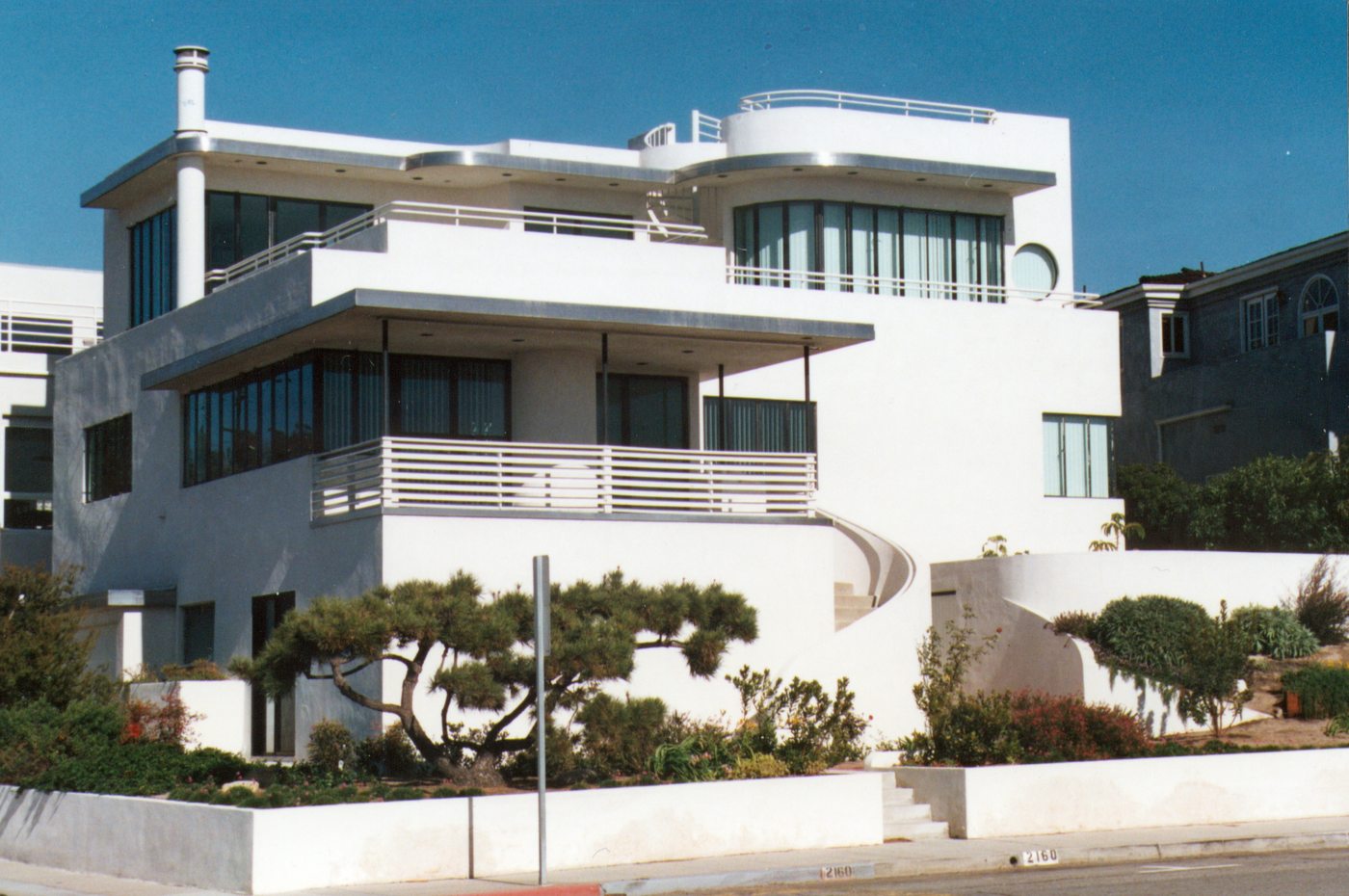
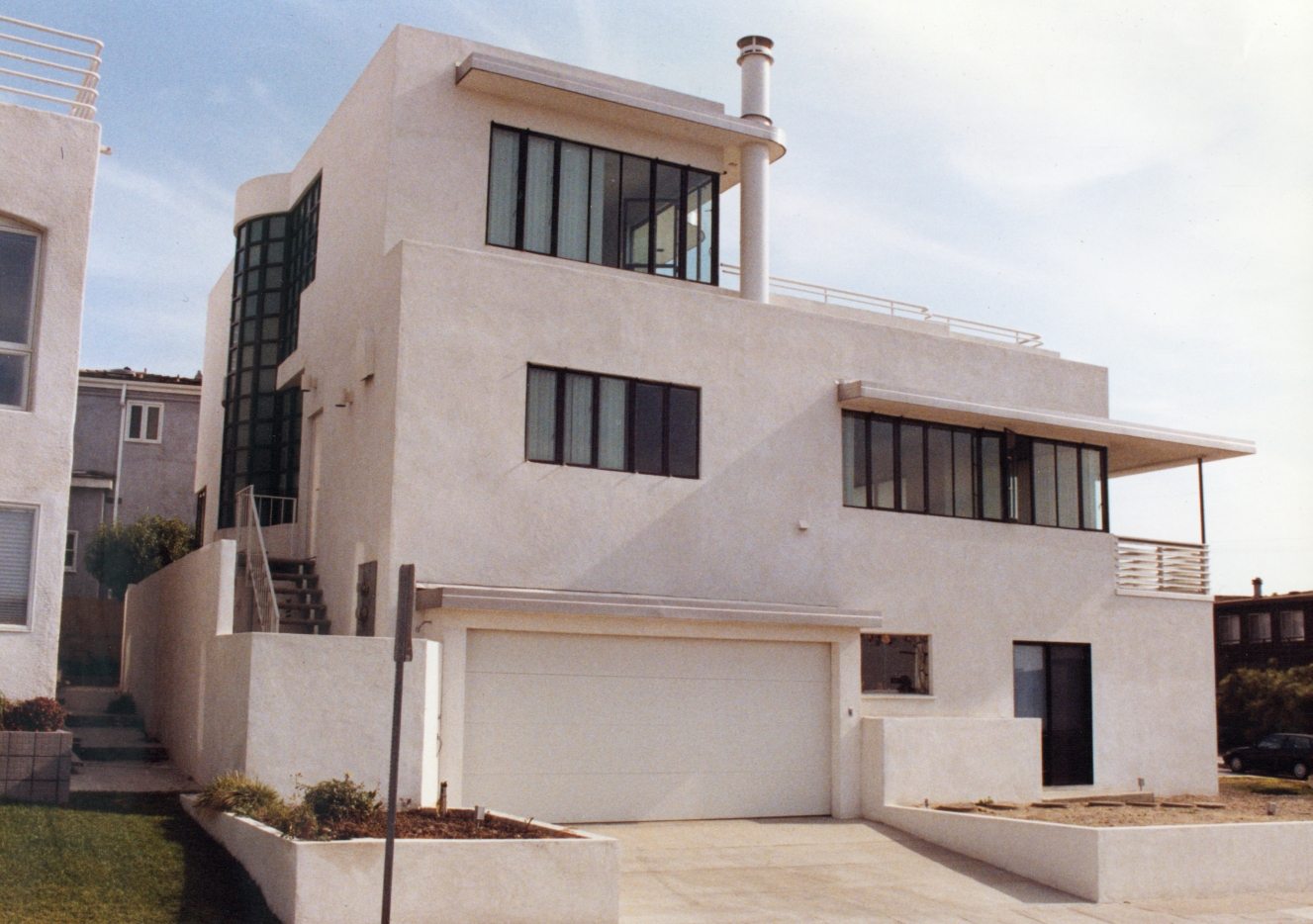
Three-story contemporary residence featuring stainless steel horizontal railing at the second-floor balcony, curved perimeter garden wall, rooftop deck, and Japanese-influenced landscaping. The front elevation with its strong horizontal lines, curved wall elements, and streamlined detailing is reminiscent of the 1930s Streamline vernacular — a vocabulary that brought nautical and aerodynamic influences into domestic architecture along the Southern California coast.
This project was developed under the architectural license of Gerald Compton, GWC Designs (1980s).
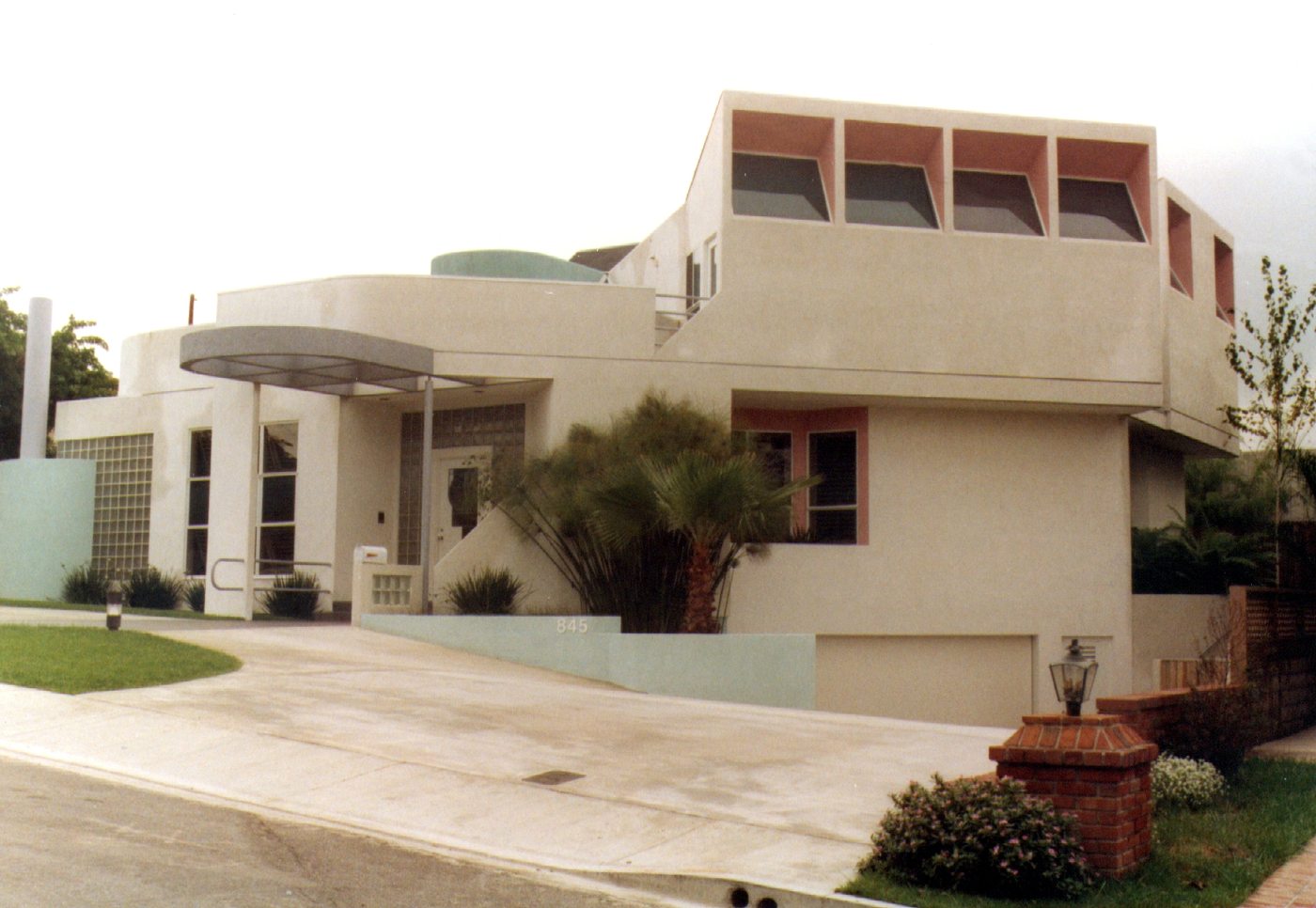
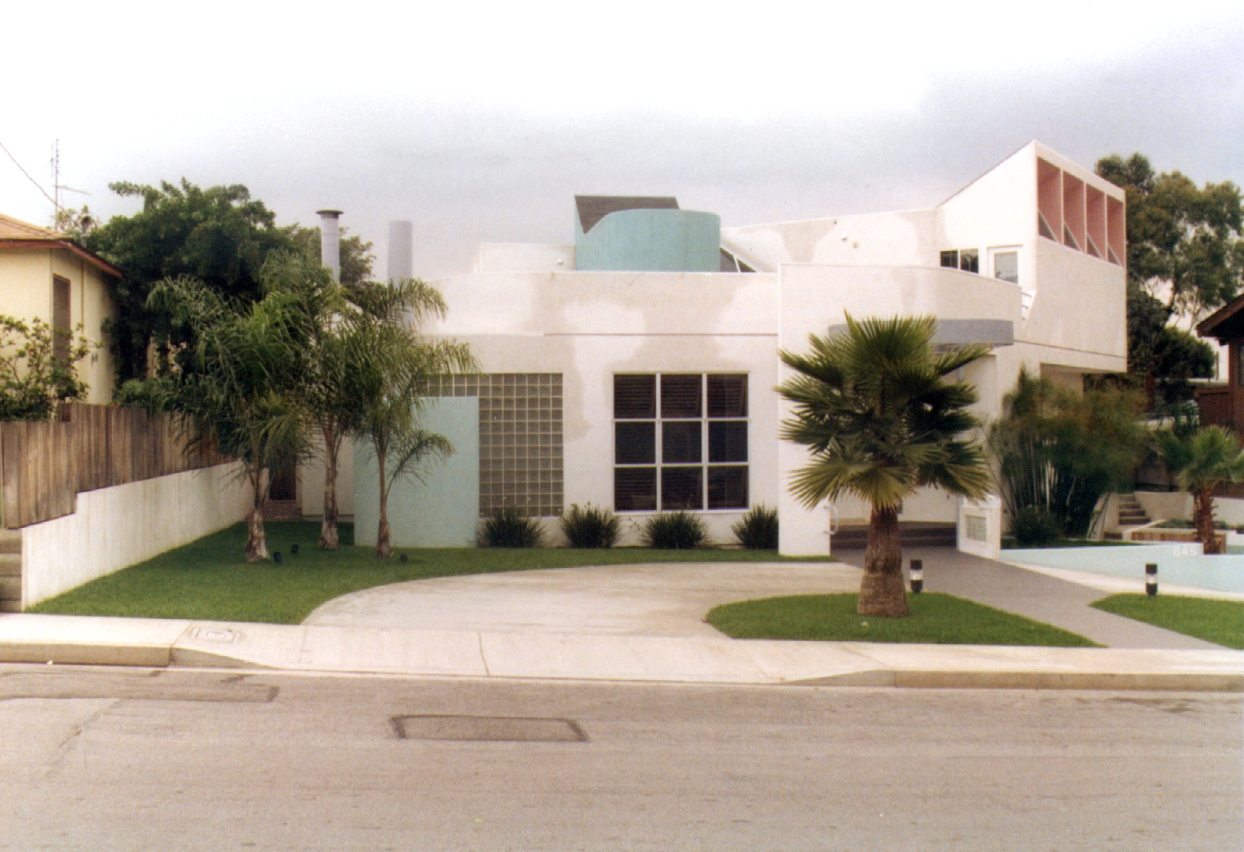
A substantial custom residence featuring a curved porte-cochère entry canopy, multi-level contemporary massing, glass block accent panels, and rooftop terrace. The bold palette and strong geometric composition are characteristic of the beach community residential work of this era.
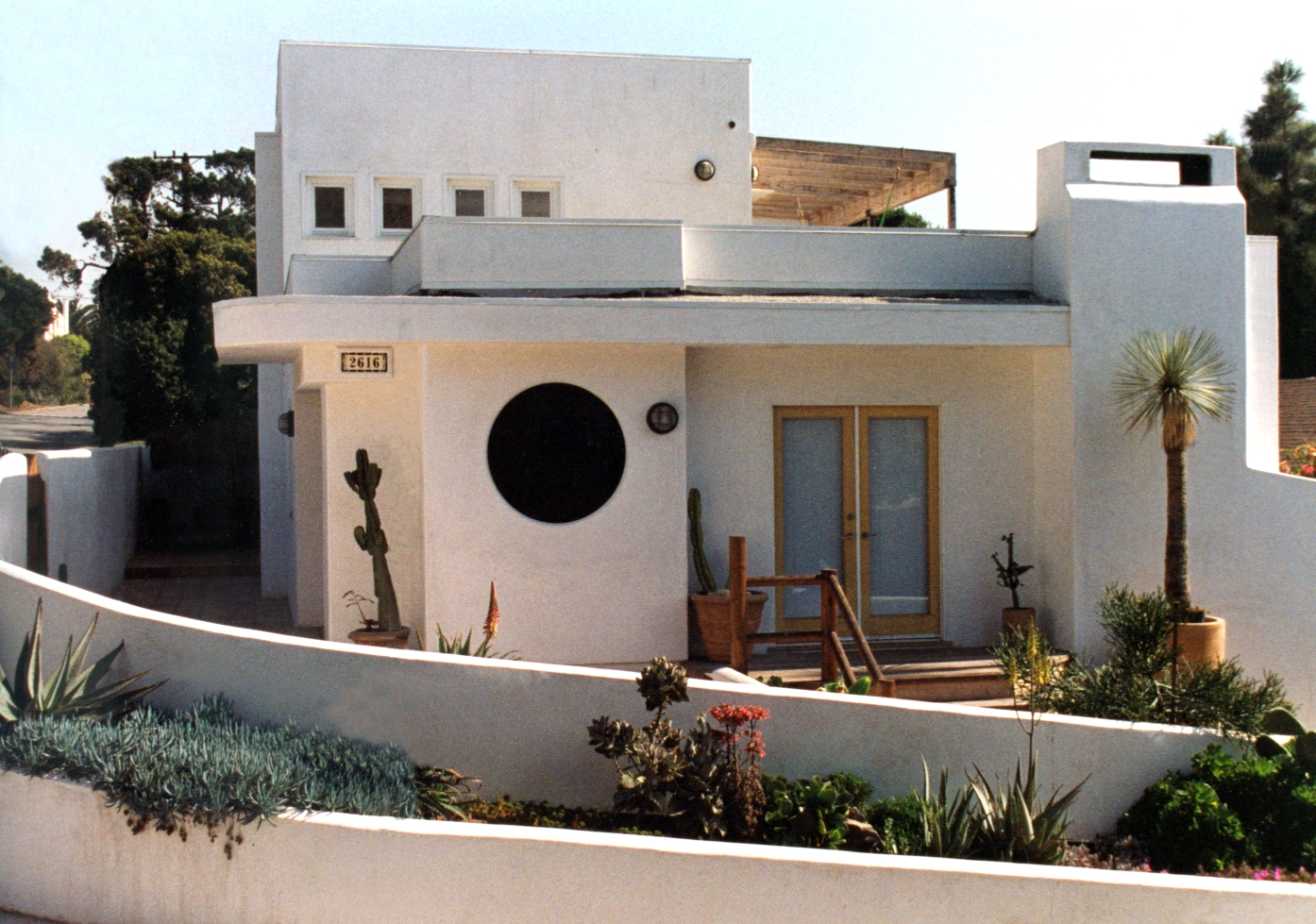
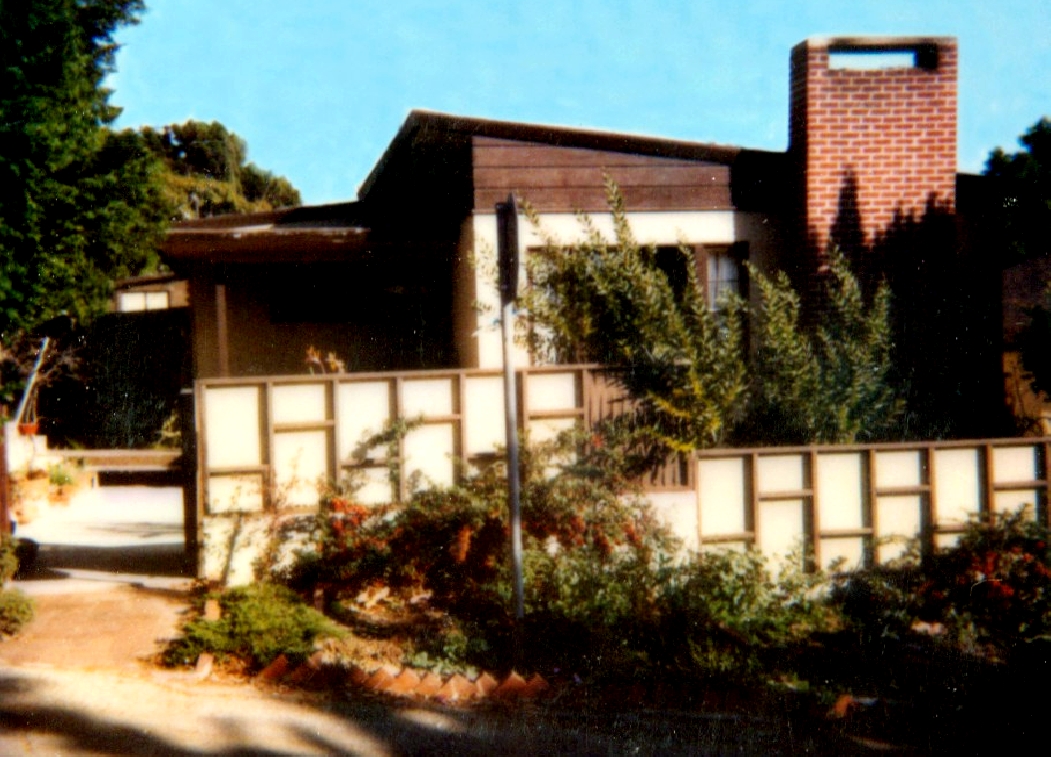
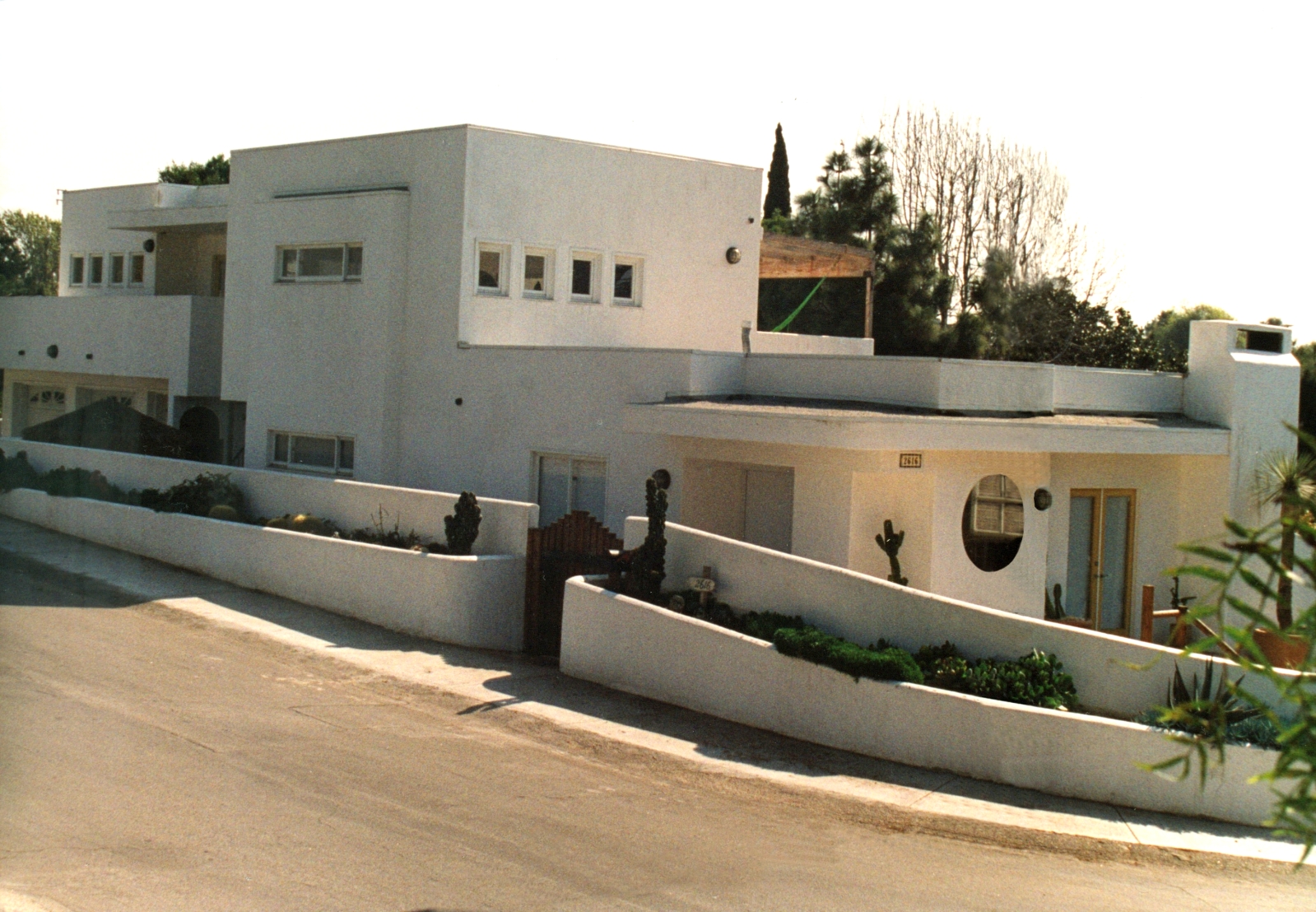
A 920 SF beach bungalow transformed into a flexible two-story, 3-bedroom residence — designed to partition into a two-bedroom unit with a separate 1-bedroom apartment. Non-conforming setback constraints and budget limits required retaining the existing structure; only the chimney survived the transformation. The California/Santa Fe facade — white stucco massing, terraced natural slate and terracotta decks, rough timber railings, and desert landscaping — was inspired by the rustic appeal of the restored open-beam ceiling and hardwood flooring within.
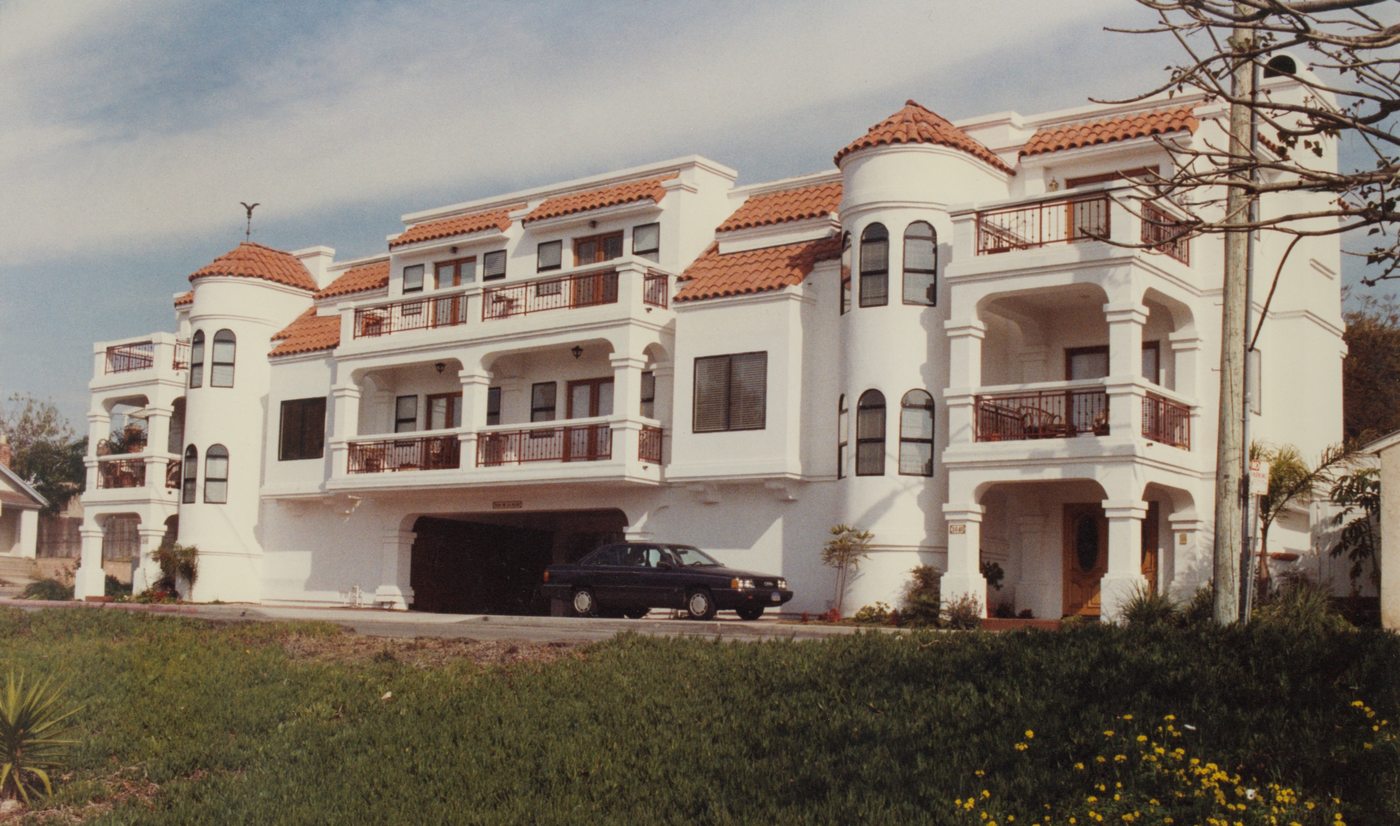
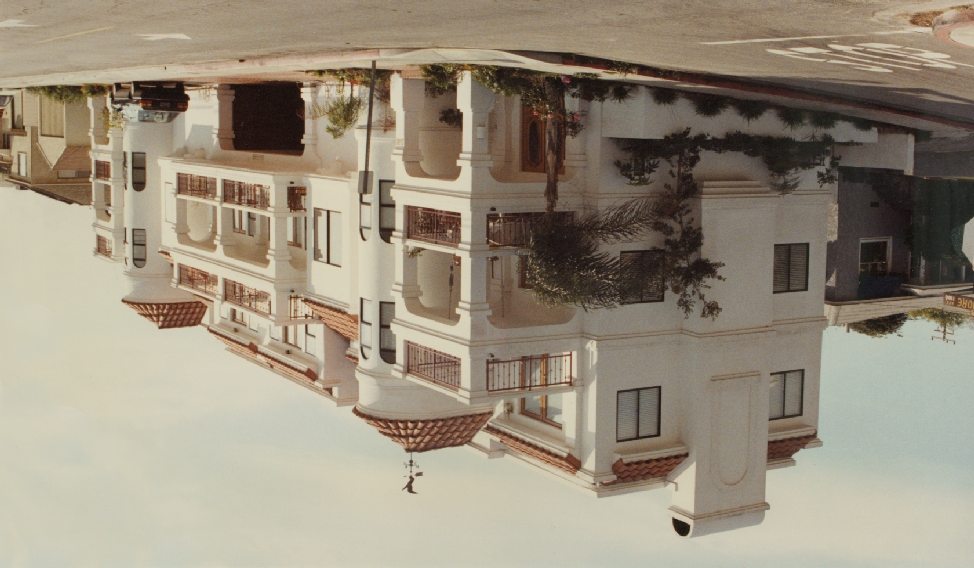
A Mediterranean-style two-unit condominium on a high-visibility corner lot in Hermosa Beach — a project that required the full range of skills: design, permitting, and construction, with the client serving simultaneously as owner, contractor, and end user. Each unit delivers 2,400 SF across three levels — ground-floor garages and guest suite, second-level living and entertainment spaces with covered balconies, and a third level of bedrooms with ocean-view terraces. The Mediterranean vocabulary — tile roofs, arched openings, stucco, and wrought iron — was executed with genuine architectural discipline rather than decorative surface treatment.
This project was developed under the architectural license of Gerald Compton, GWC Designs (1980s).
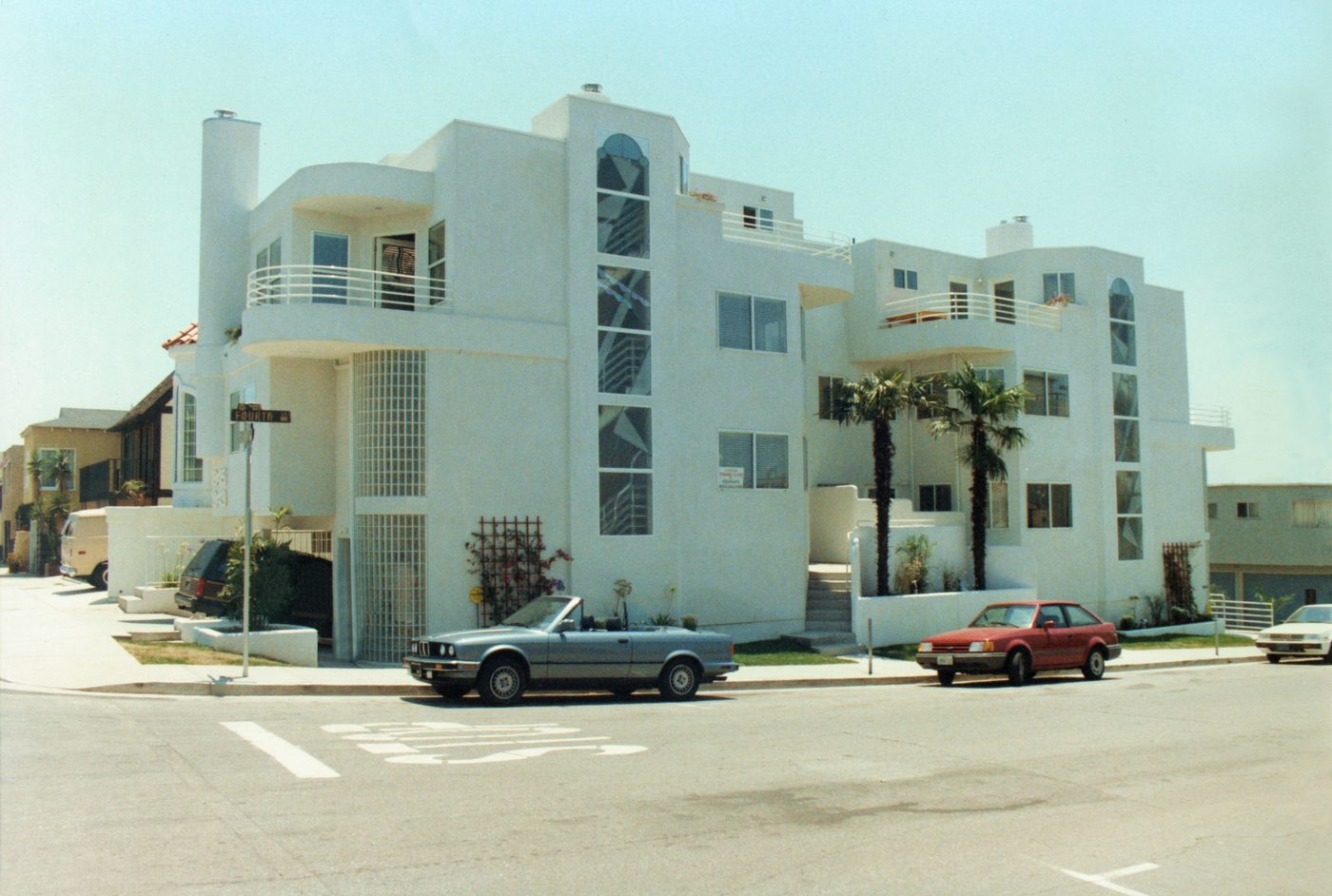
A three-story developer condominium project situated on a prominent corner site in the Hermosa / Manhattan Beach area. The design is characterized by its strong contemporary vocabulary — a glazed block entry tower anchoring the corner, continuous horizontal balcony railings, and clean geometric massing that reads confidently against the beach community skyline.
This project was developed under the architectural license of Gerald Compton, GWC Designs (1980s).
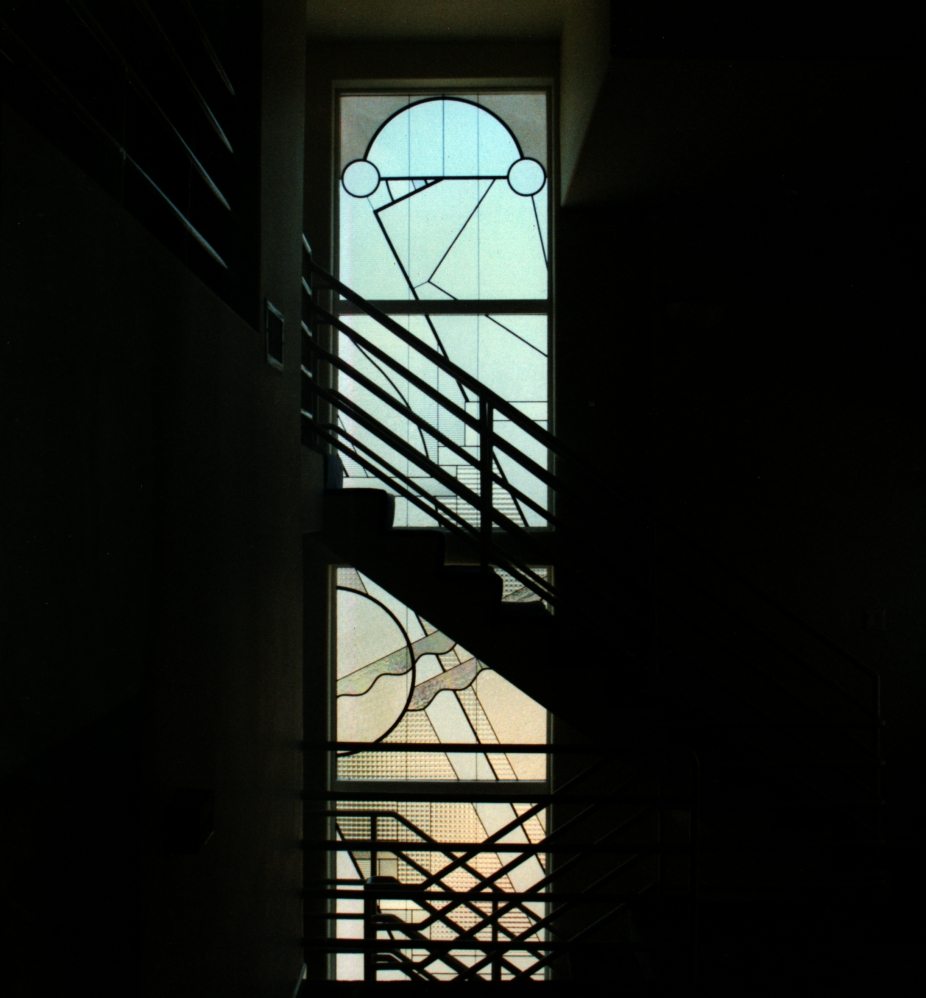
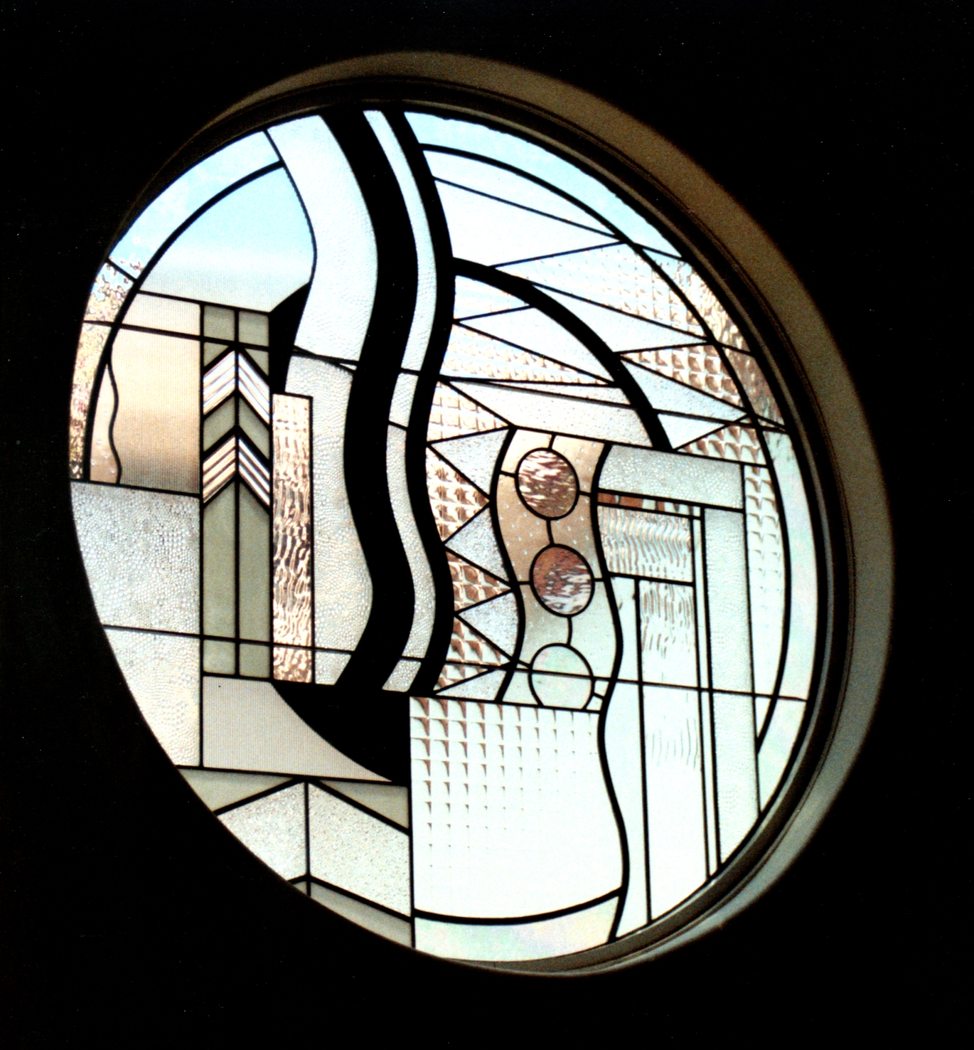
The custom art glass elements — a full-height leaded panel spanning the interior stairwell and a circular leaded window set in a private residence — illustrate that the design work extended well beyond building form to encompass custom interior craftsmanship. Commissioned as integral architectural features rather than decorative afterthoughts, these pieces were hallmarks of the highest-quality residential work of this period.
Concurrent with residential practice, Michael designed and permitted early national restaurant chain locations throughout Southern California — establishing the foundation of restaurant architecture expertise that would define a significant portion of his career.
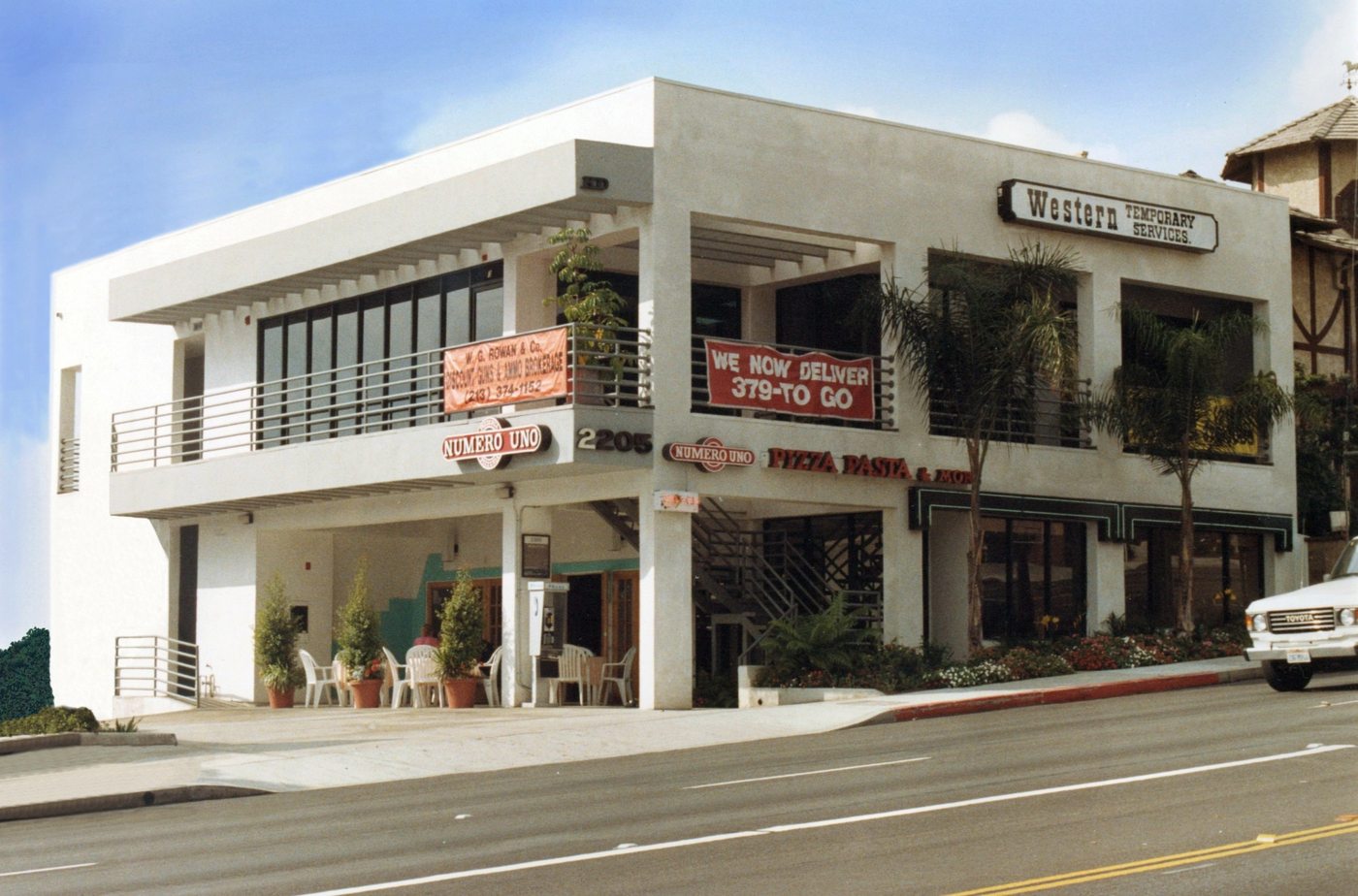
A completely new building designed and constructed with Numero Uno Pizza as the ground-floor tenant. The contemporary facade with upper-floor commercial and covered street-level patio established the design vocabulary that would carry through into the later national restaurant chain work.
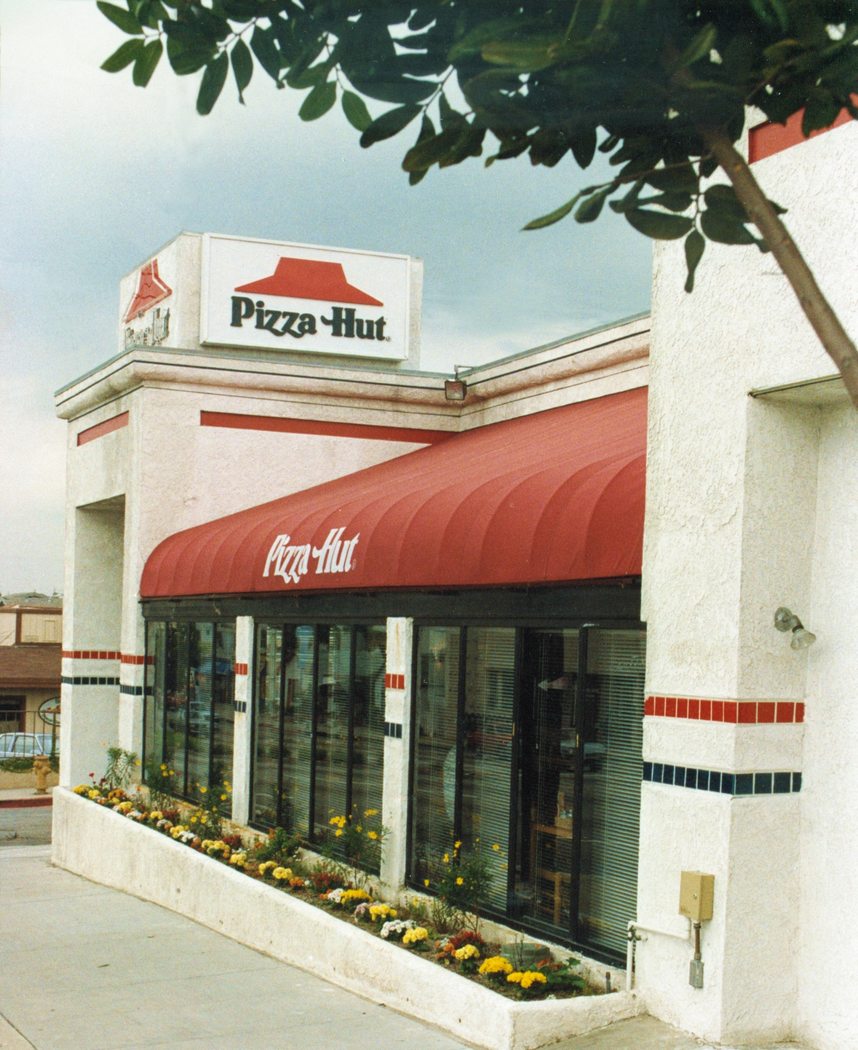
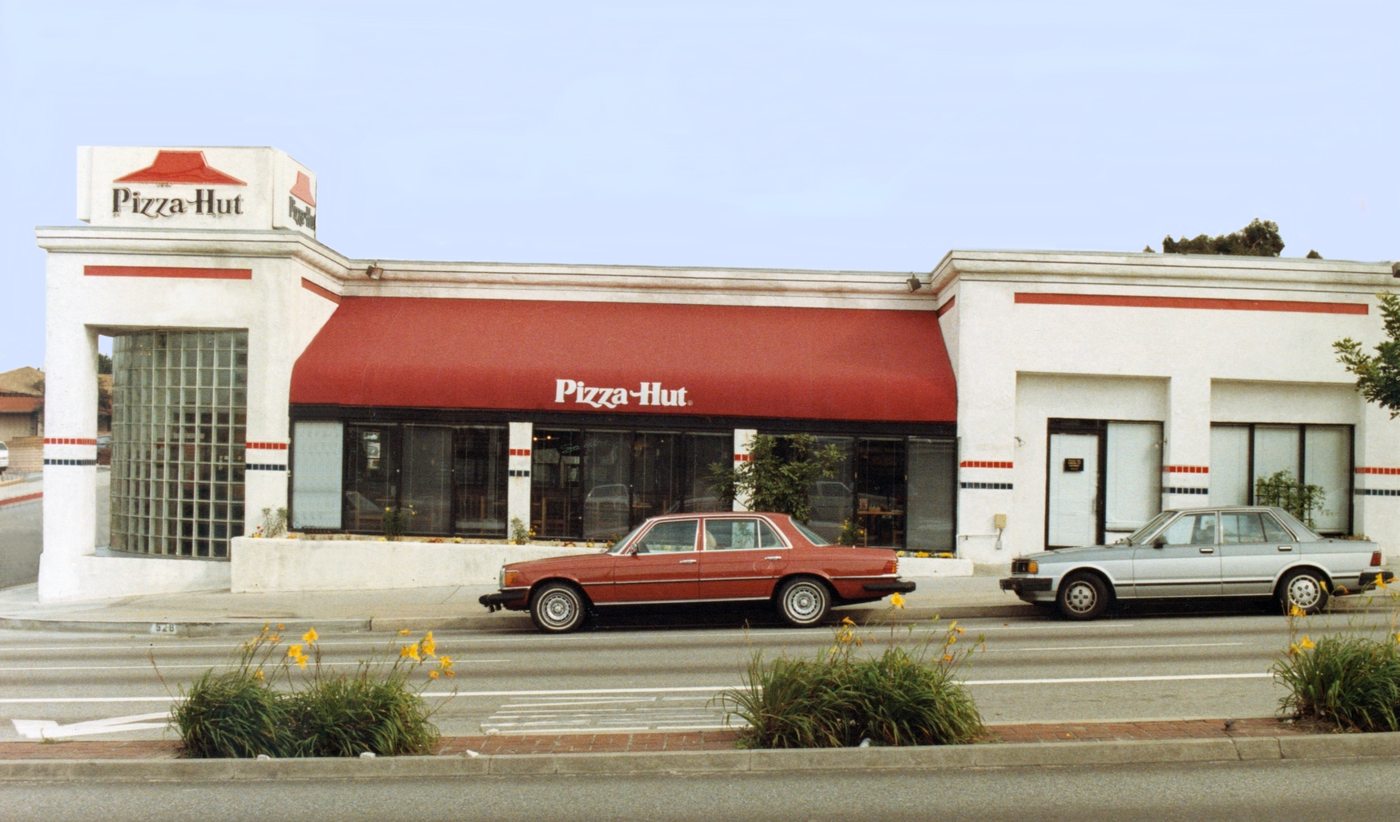
Multiple Pizza Hut locations throughout Southern California — featuring a distinctive departure from the standard prototype with glass block corner accent panels, decorative ceramic tile banding, and a bold curved red canopy. The design brought architectural character and visual interest to what was typically a generic fast-food building type.
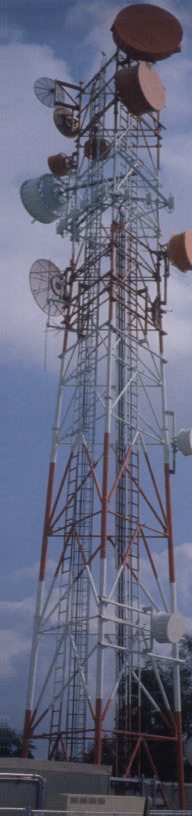
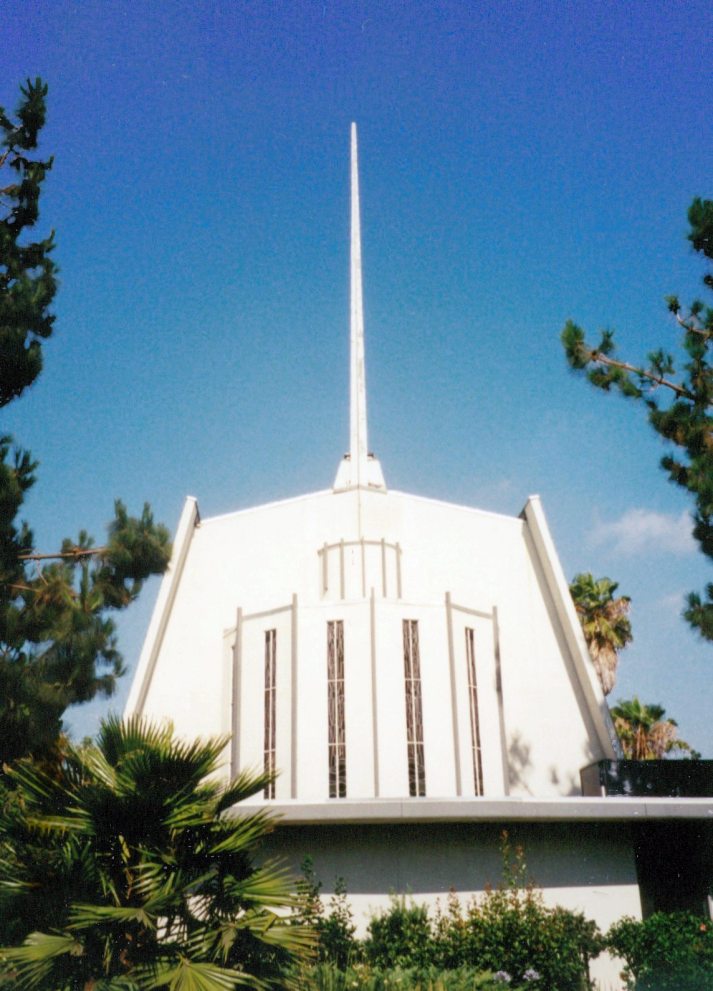
For over a decade, Universal Designs & Construction served as the architectural firm of record for some of the largest wireless carriers in the United States — delivering over 335 cell sites across California and Nevada with a combined construction value exceeding $75 million. The work spanned landmark monument towers, creative stealth installations concealed within existing structures, and standalone equipment towers across seven counties and portions of Nevada. Click any image to explore.
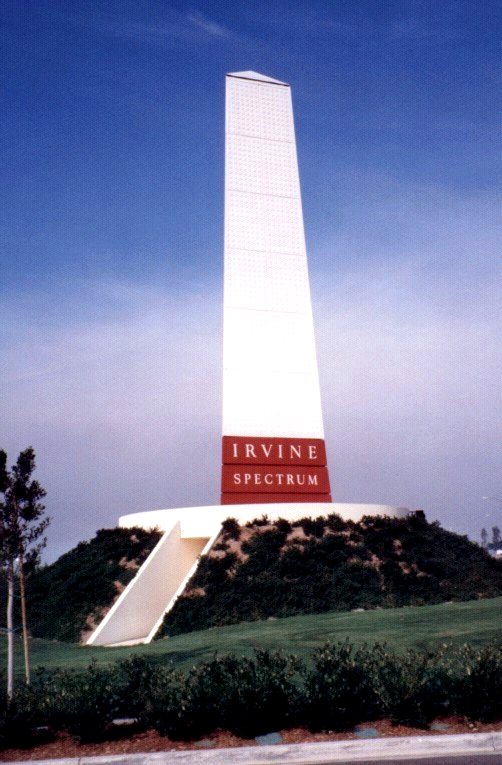
This project was developed through the collaboration between Universal Designs & Construction, representing AirTouch Cellular, and the architectural team from The Irvine Company (1997).
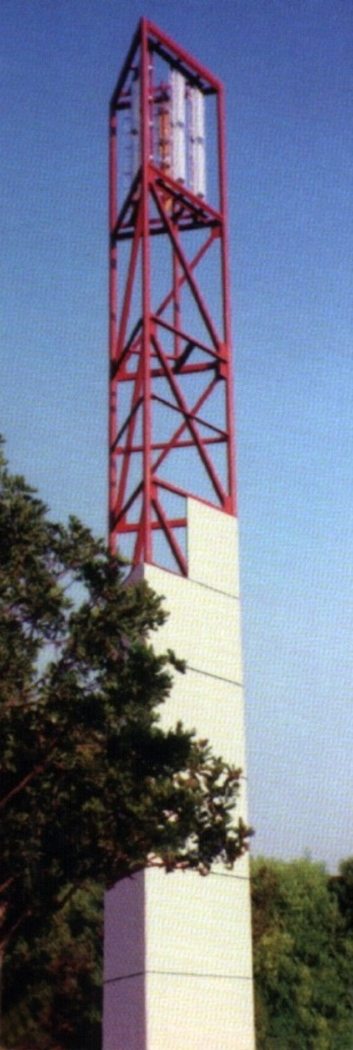


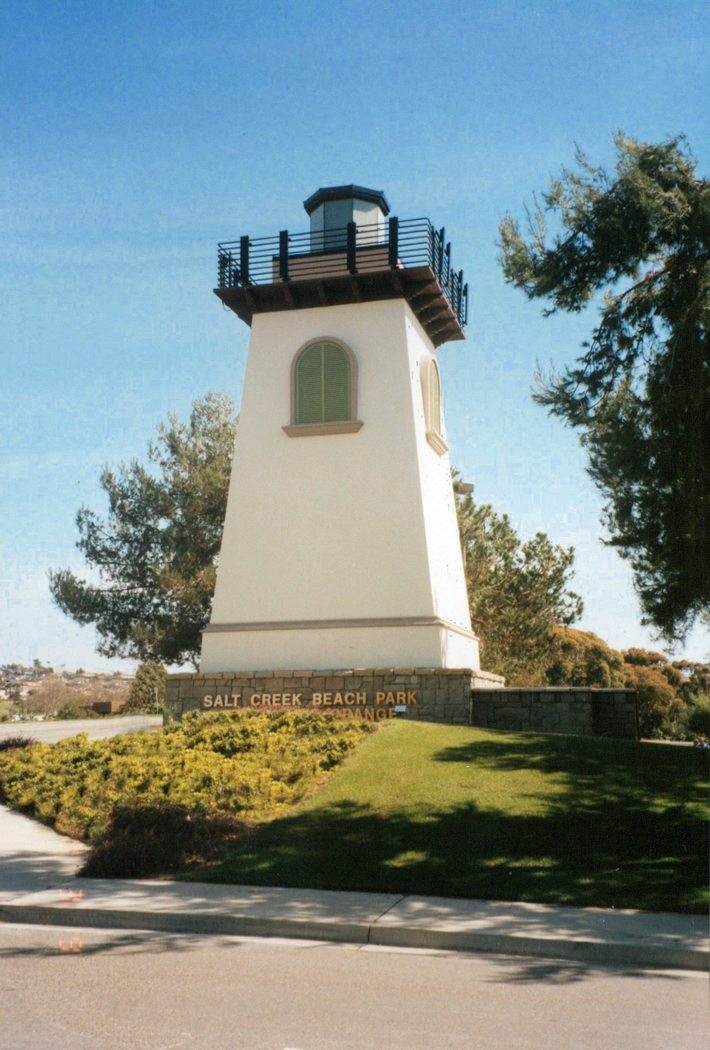
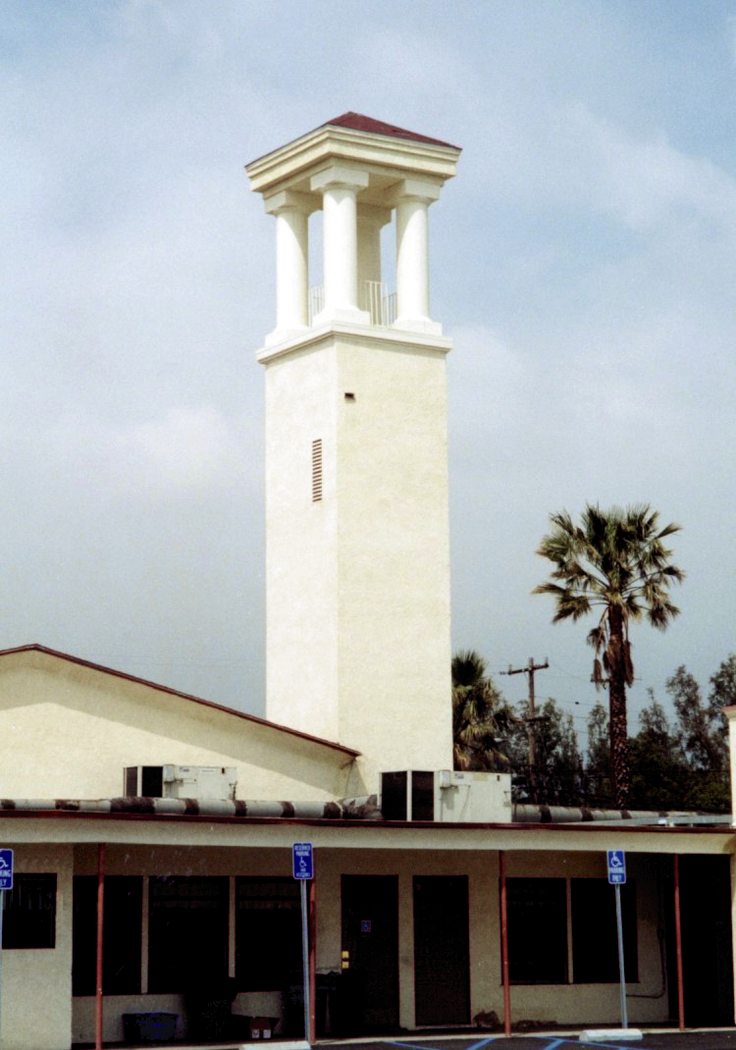
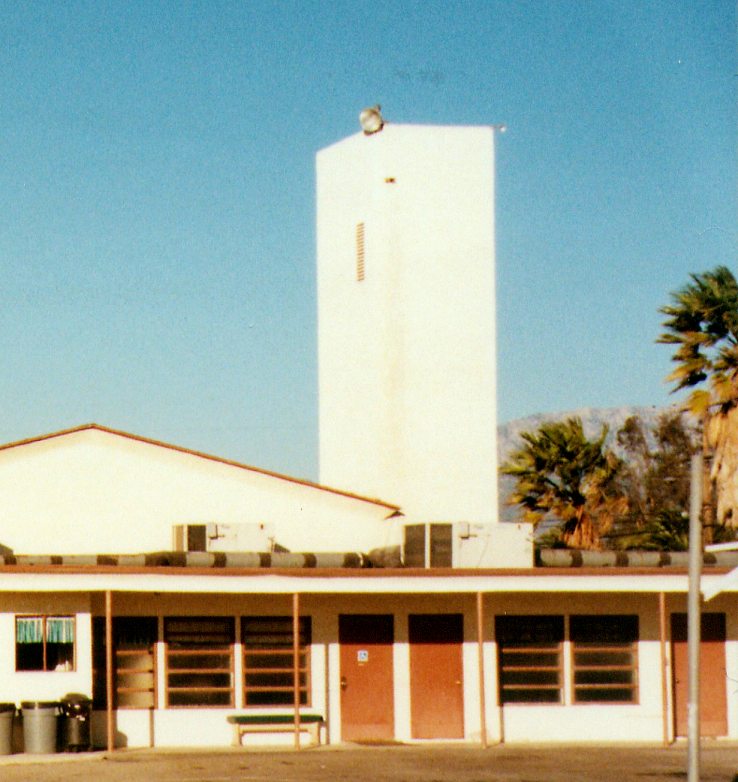
The existing utilitarian equipment tower was transformed into a convincing classical bell tower through the addition of four decorative columns and a cornice cap at the crown — concealing the antenna equipment while creating a permanent architectural landmark for the site. Juniper Ave / Foothill Blvd · Fontana, CA.
Myers Memorial United Methodist Church in Gastonia, NC wanted to erect a new bell tower to draw attention to the church and the services it offered to the community. The result was a 76-foot tower comprising a ground-floor prayer room, a mid-level equipment space, and an open bell canopy housing two tons of bells at the crown.
The site presented a serious engineering challenge: a 90 MPH hurricane wind zone. Conventional steel frame or masonry construction was evaluated and deemed prohibitively costly. Cross-Laminated Timber was introduced as an alternative during initial design presentations. The Building Committee's reception was cool at first. By the second presentation, roughly half were on board. By the final presentation, the vote was unanimous.
Simultaneously, conversations with the local Building Department educated inspectors and the Director on the code application of alternative building materials — CLT was not yet recognized by the International Conference of Building Officials. They recognized the merits of the design and granted approval, making this the first non-residential CLT structure permitted and constructed in the United States.
No one on the construction crew had ever seen CLT before. Through hands-on construction administration, the crew was instructed on how to work with the material — and they assembled the entire tower in three days. Under a 90 MPH wind load, the apex deflects less than half an inch. The mat foundation is only three feet deep — its primary function not bearing capacity, but counterweight.
Following completion, the project attracted national attention beyond the architectural community. Michael was subsequently invited to meet with Pentagon officials — including the Deputy Secretary of the Army — to discuss CLT's potential applications in military deployable structures, where its light weight, structural rigidity, and rapid assembly and disassembly properties aligned directly with field deployment requirements being explored in the wake of the Iraq War.
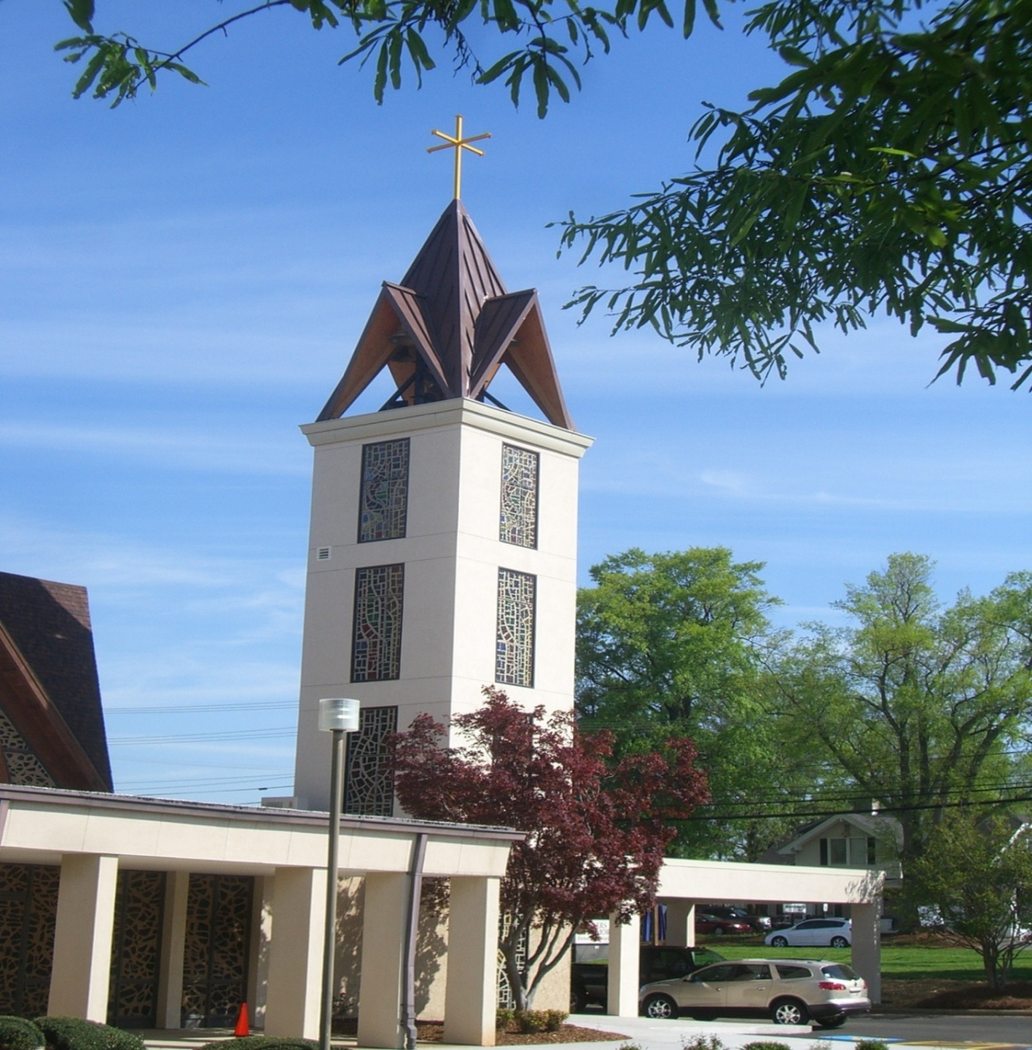
This project was developed during my tenure as a partner with MDS10 Architects.
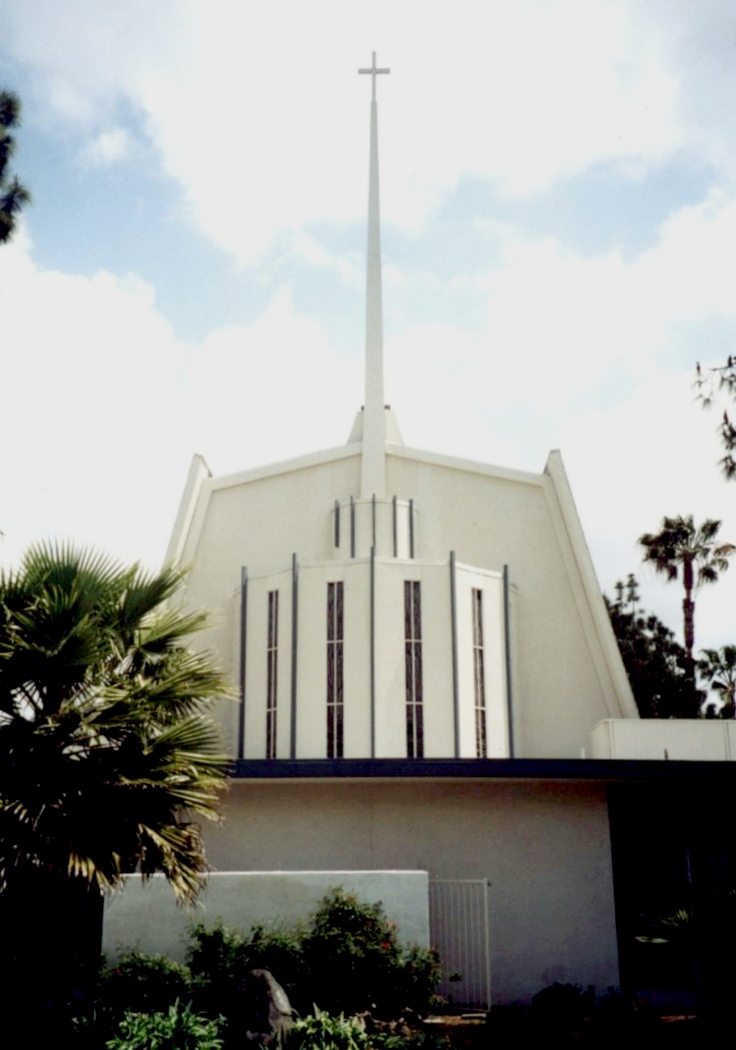
During the MDS10 years, the practice took on a diverse range of institutional and liturgical commissions across western North Carolina. Two of those projects illustrate the breadth of the work — one an expansion driven by community growth, the other a creative repurposing that transformed an existing campus into something entirely new.
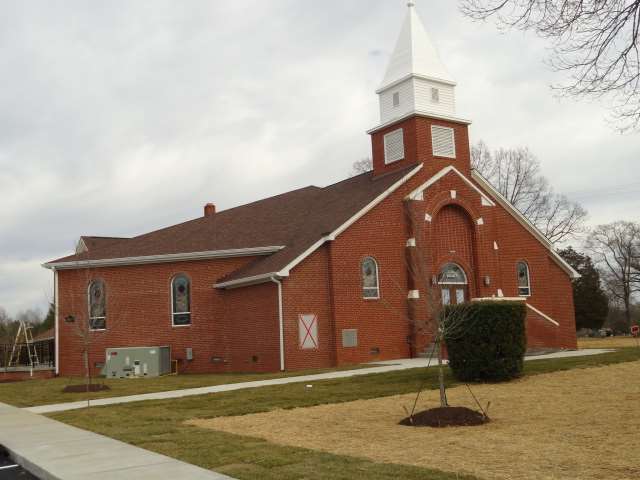
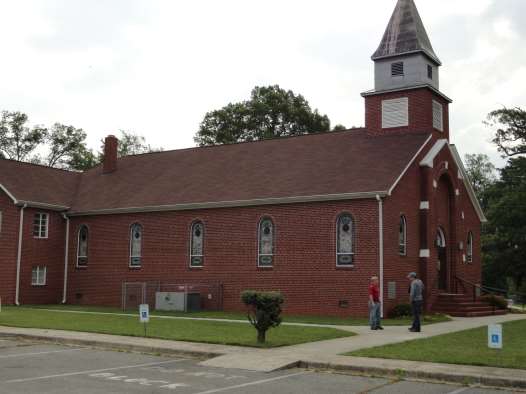
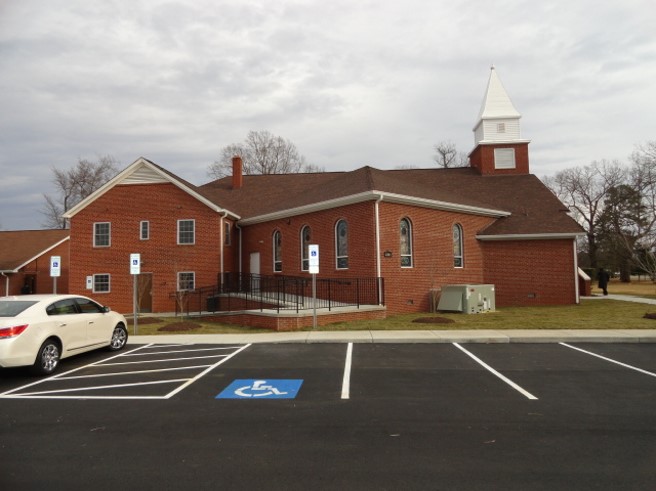
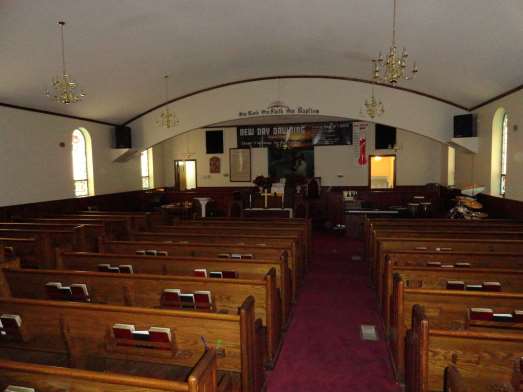
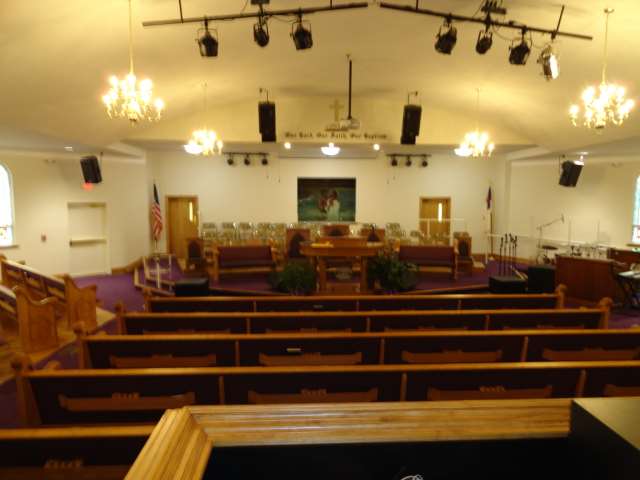
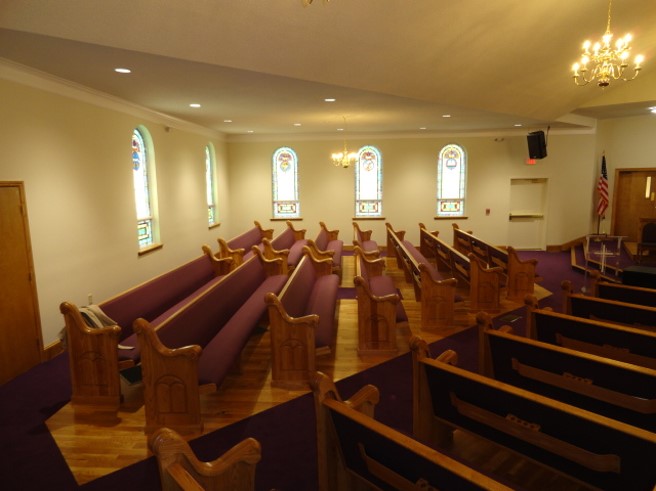
Center Baptist Church in Gastonia faced a challenge common to growing congregations: the existing sanctuary could no longer accommodate the membership, and as the congregation aged, the building itself had become a barrier. There were no accessible restrooms. The only way to move a casket from the sanctuary to a waiting hearse was to carry it down a flight of stairs — a reality that weighed on the congregation every time they gathered to say goodbye to one of their own.
The project addressed all of it. The sanctuary was expanded to accommodate a growing membership while preserving the character of the original brick building — the addition reads as always having been there. A new accessible ramp was designed along the side of the building, providing dignified level access from the parking area to the sanctuary floor for members with physical disabilities, and a practical, respectful path for casket transport. Existing restrooms were fully renovated to meet accessibility standards throughout.
Inside, the renovation transformed the worship experience: an expanded chancel, new theatrical stage lighting, recessed ceiling lighting, and upgraded audio and visual systems — all while preserving the warmth of the original wood pews and the beauty of the existing stained glass windows. Construction documents by MDS10 Architects. Michael J. DeVere, Principal.
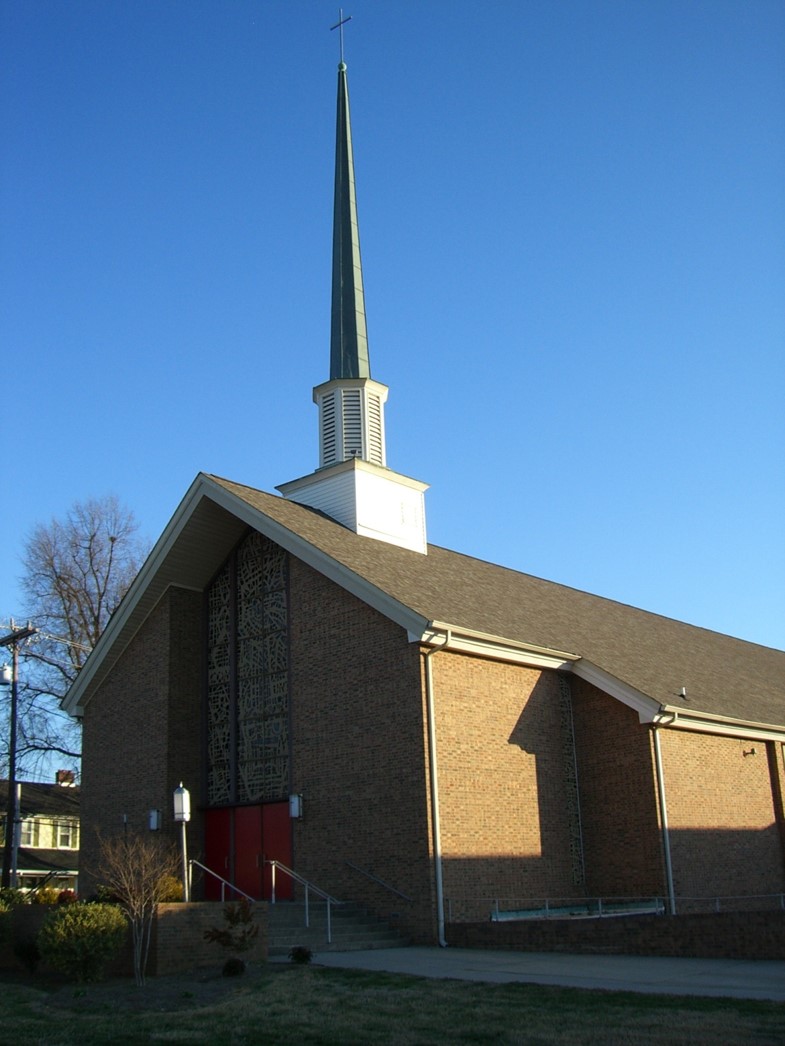
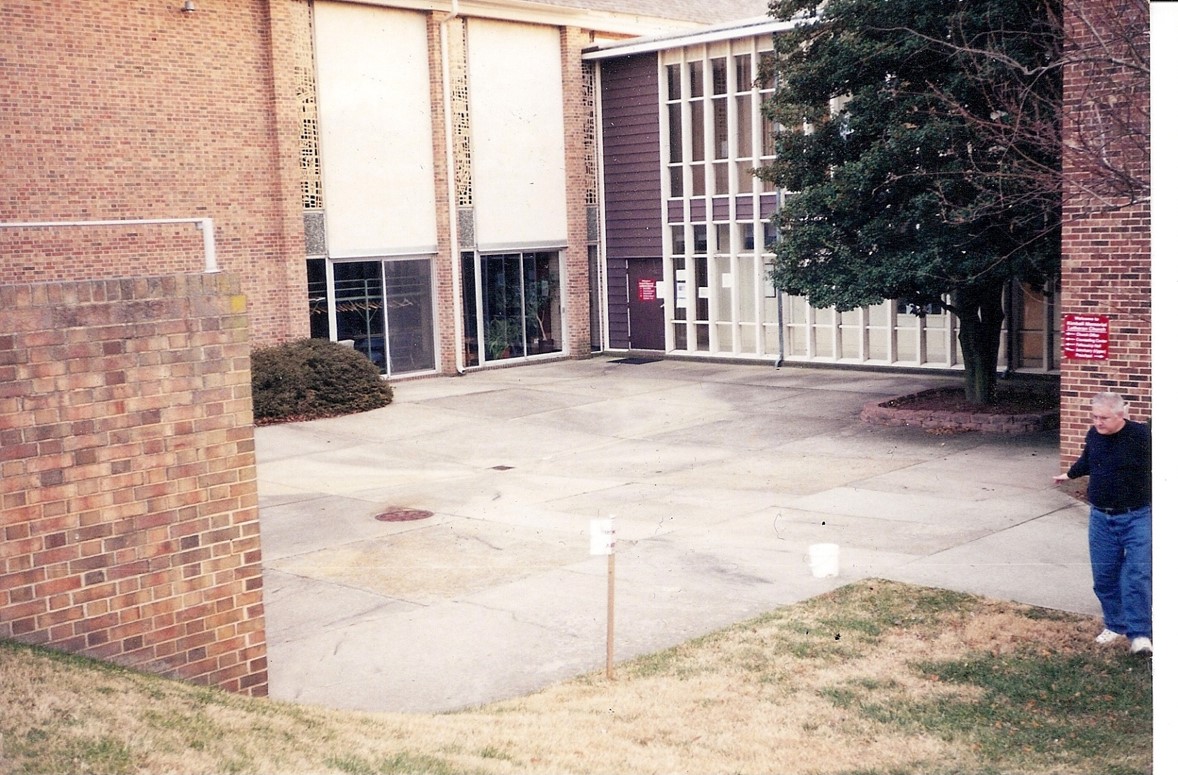
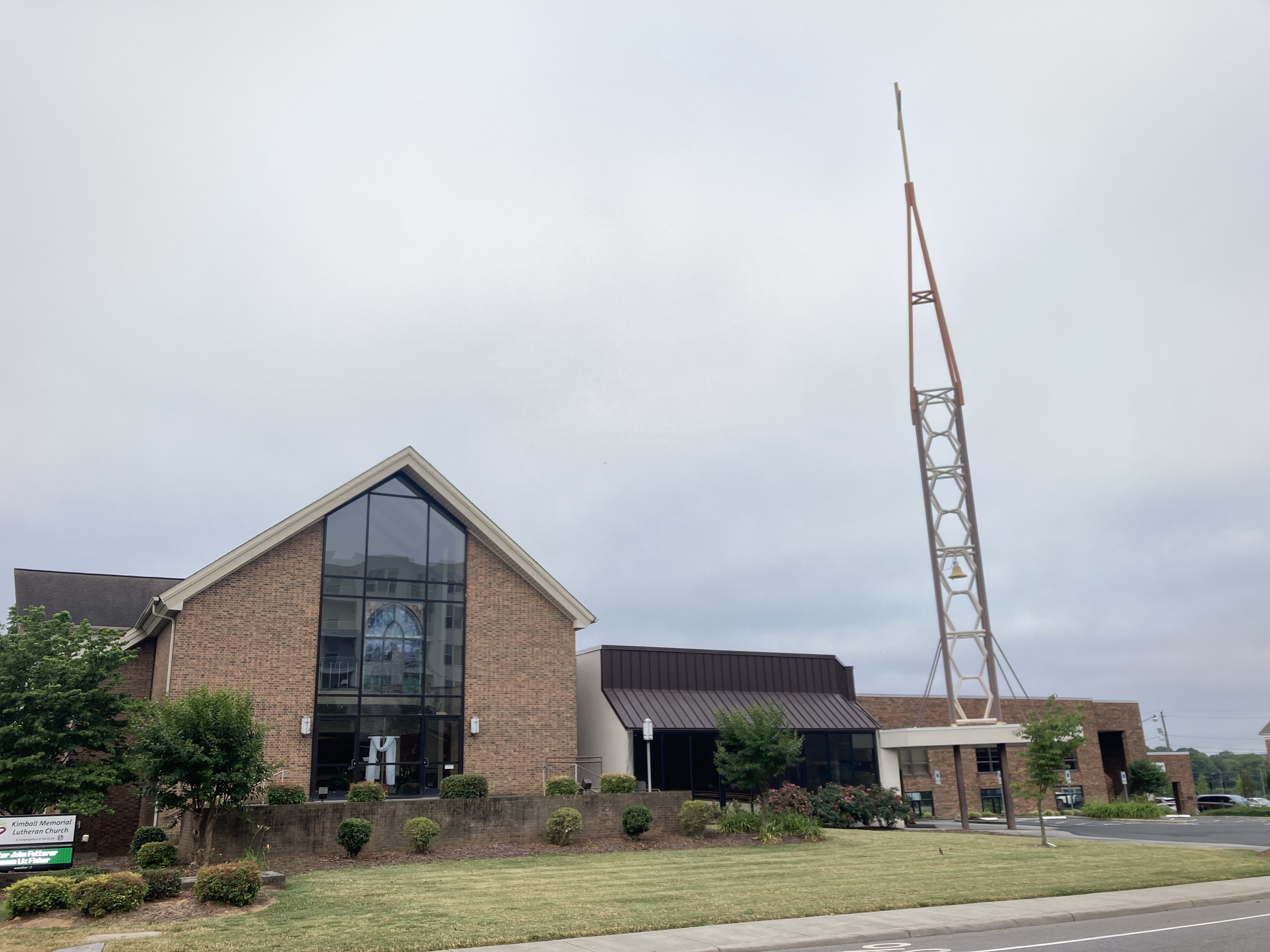
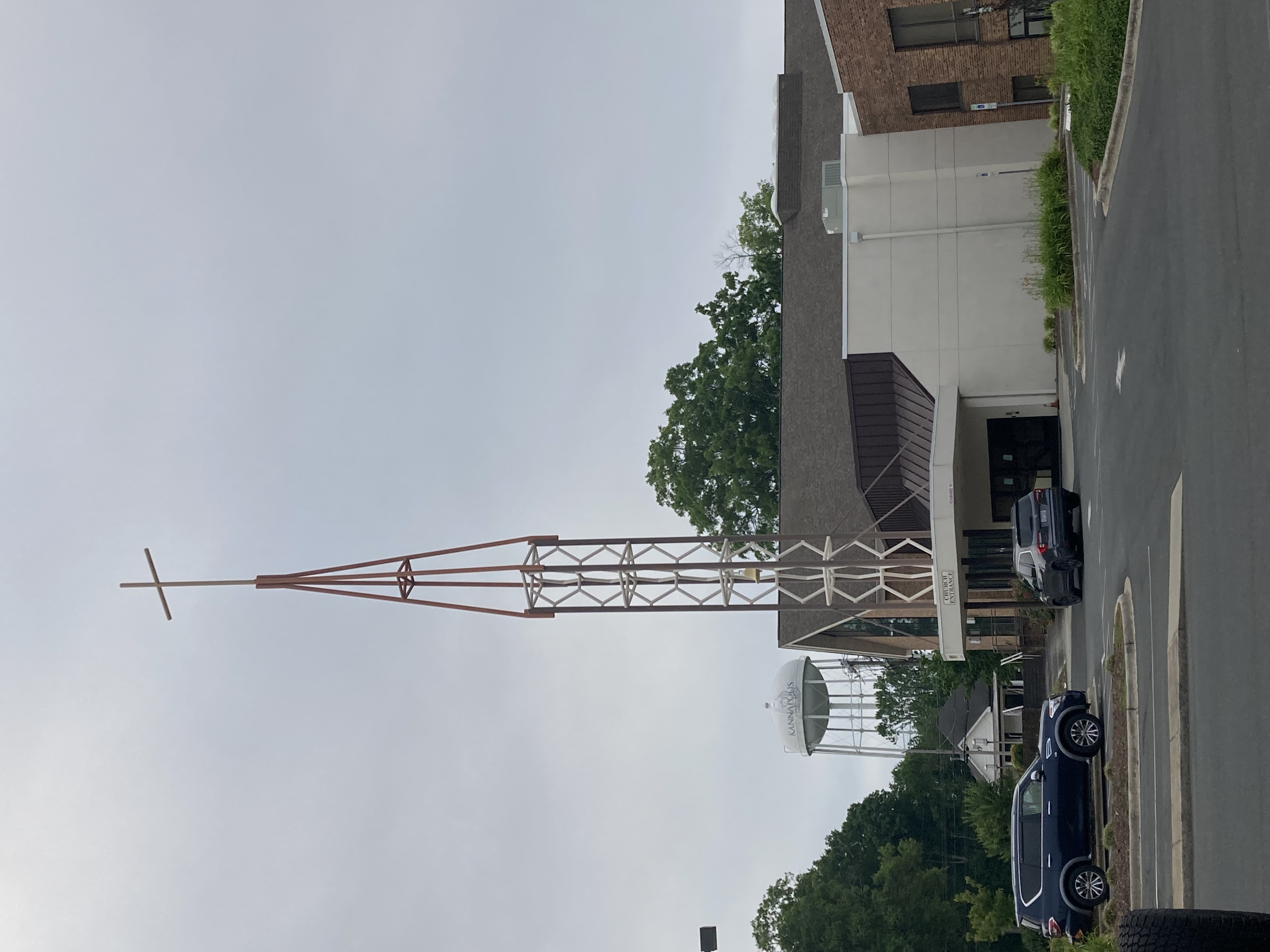
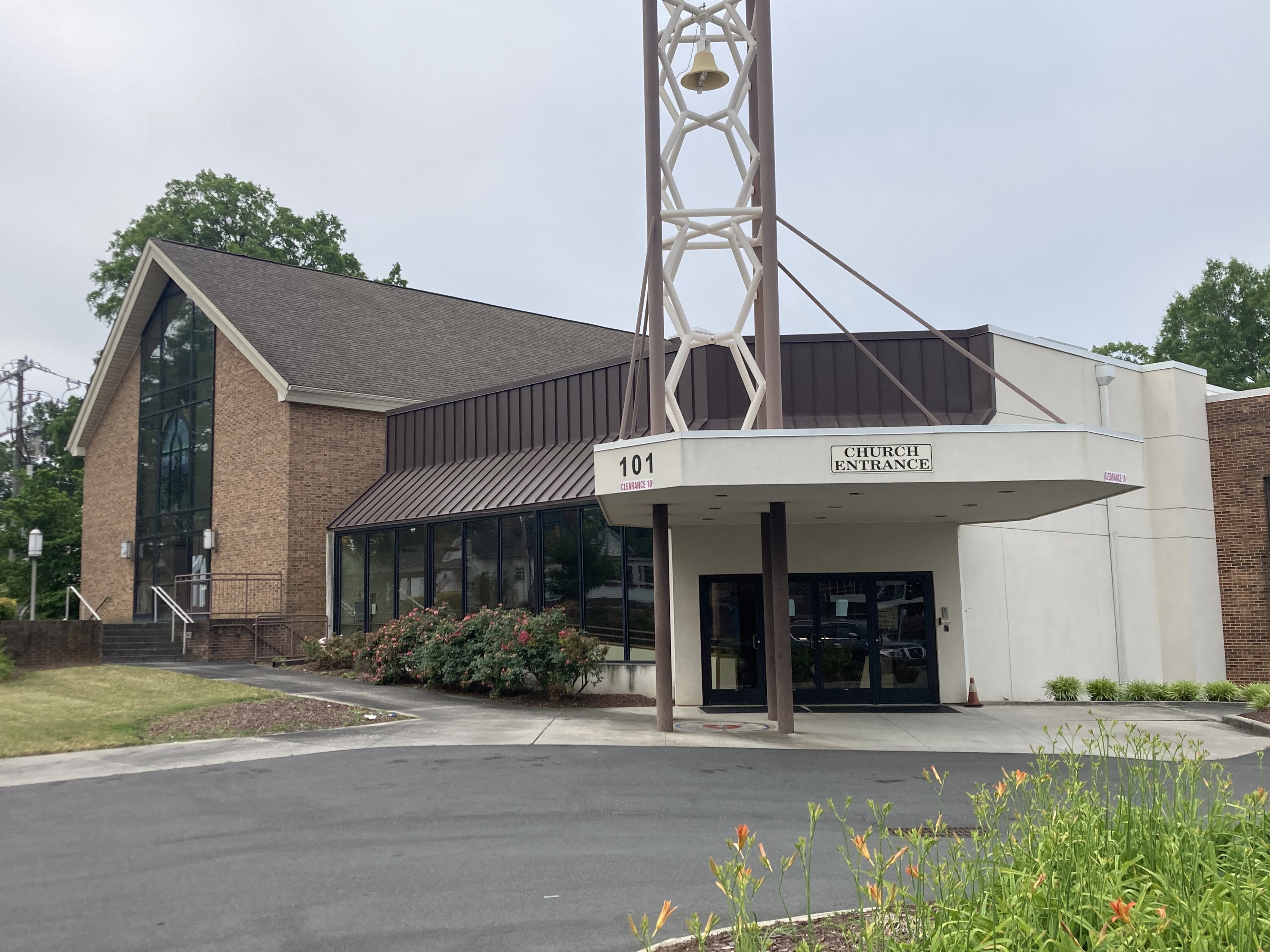
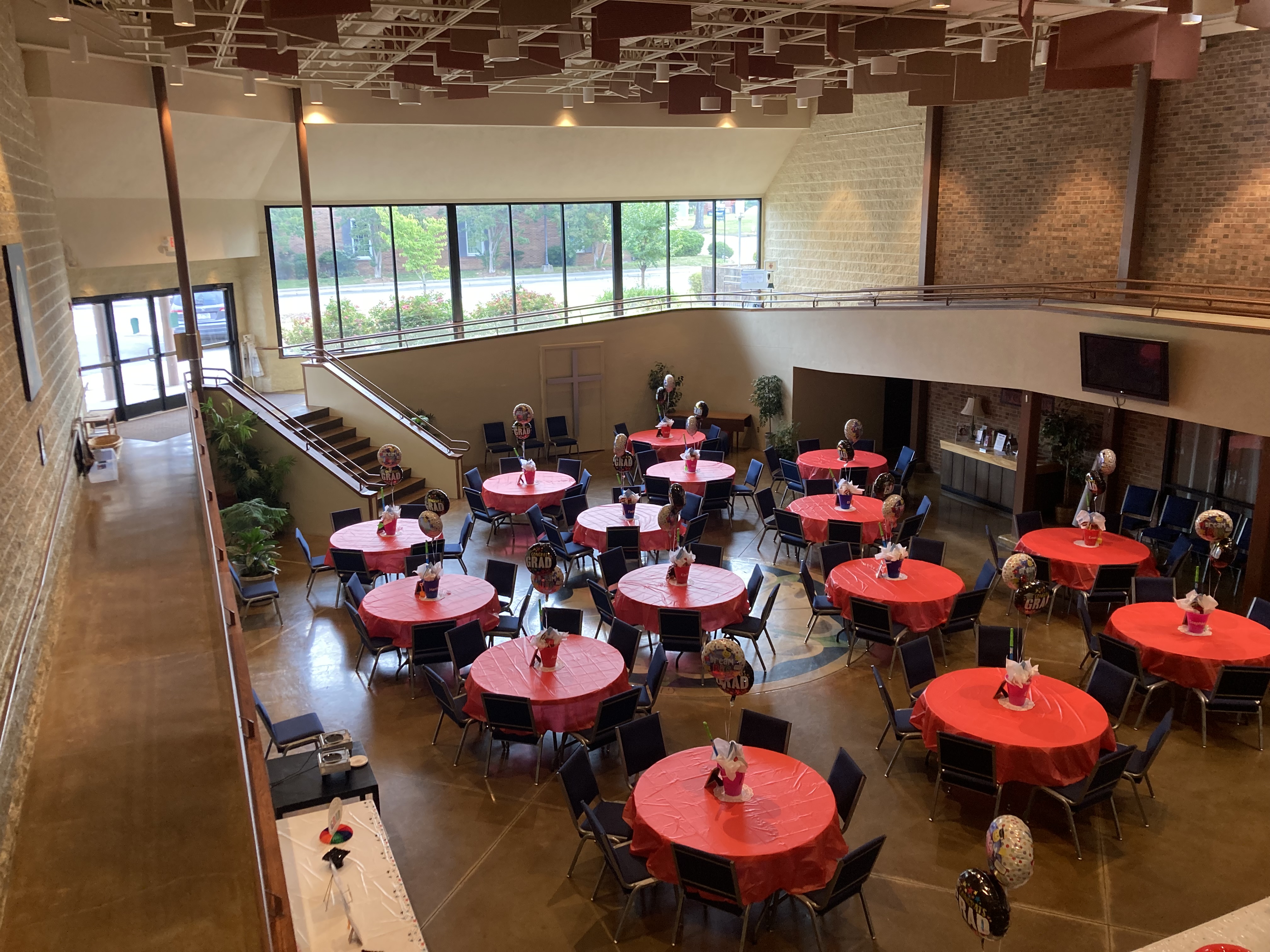
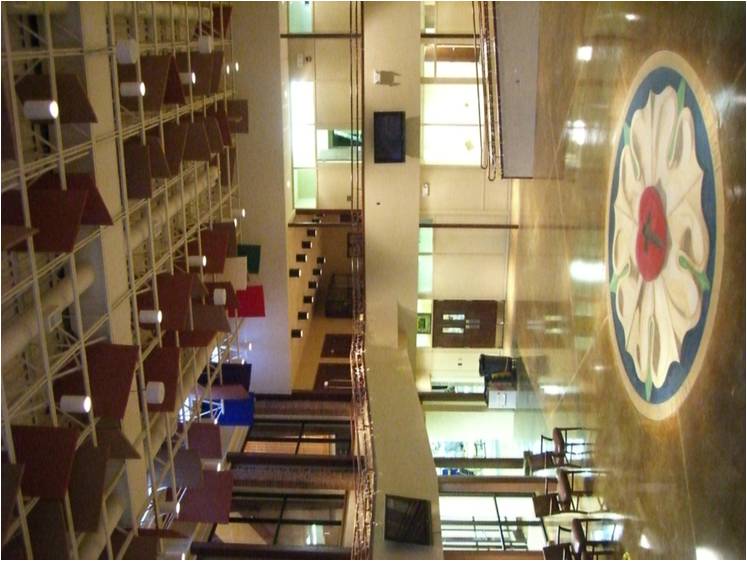
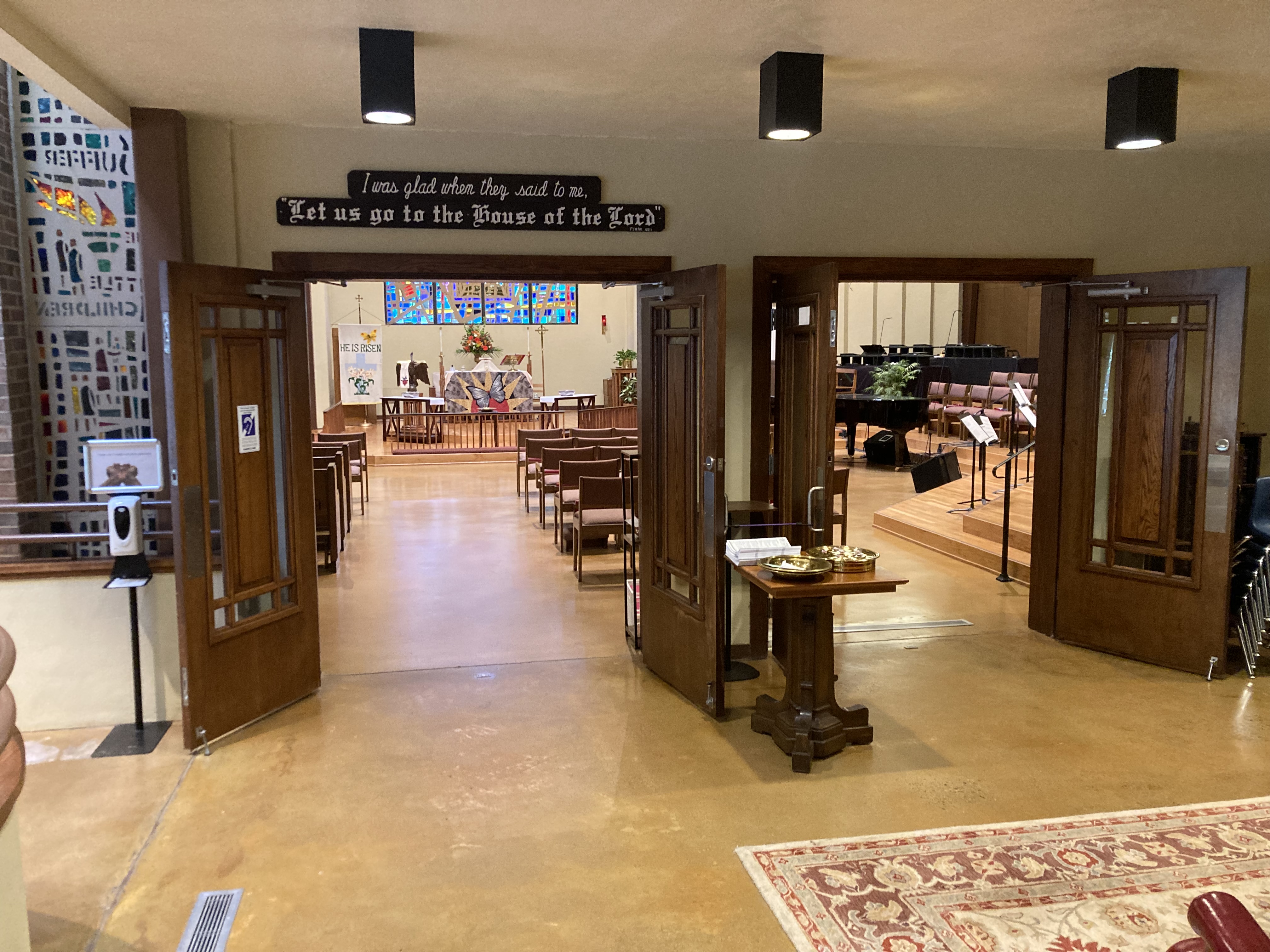
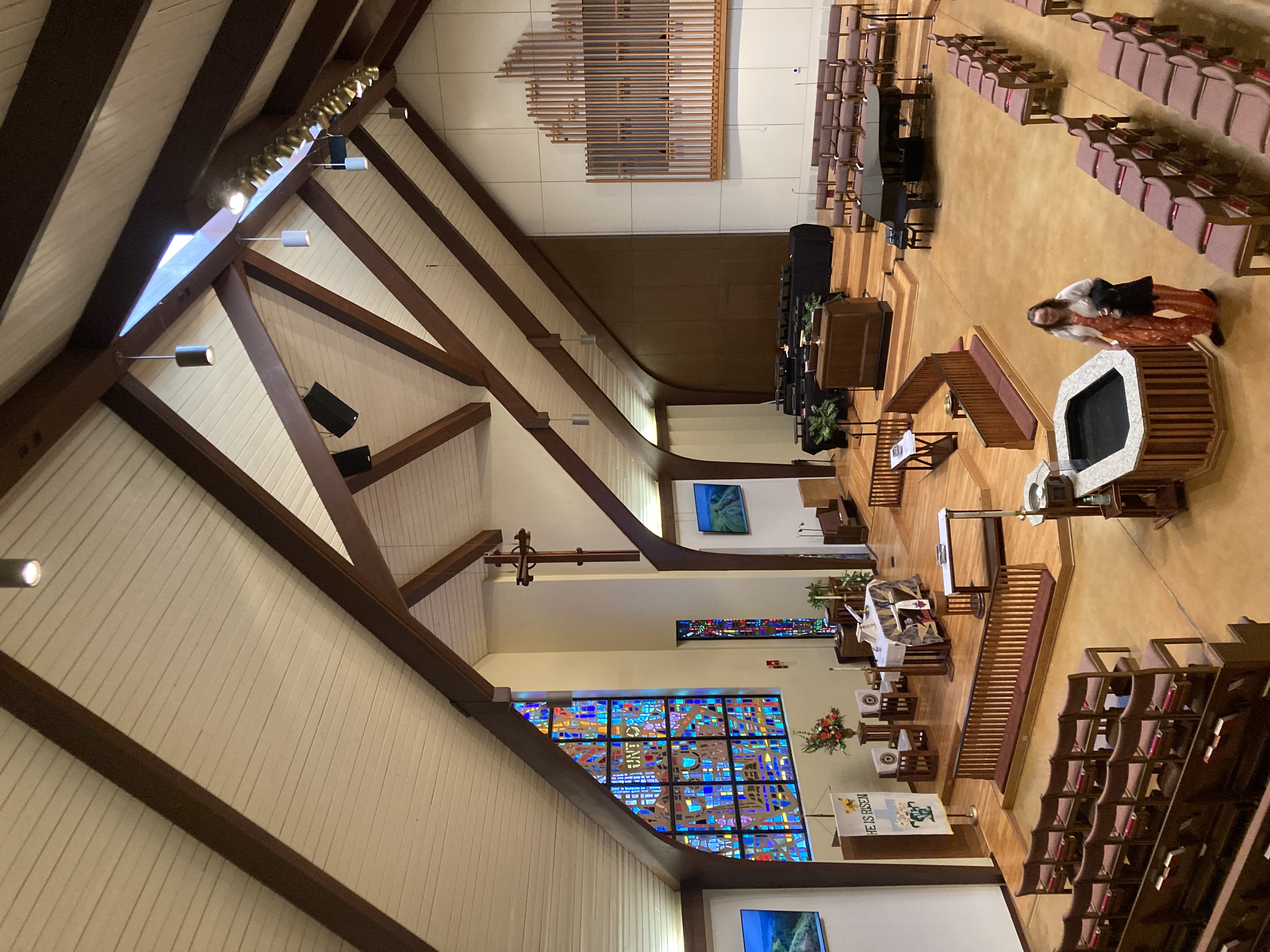
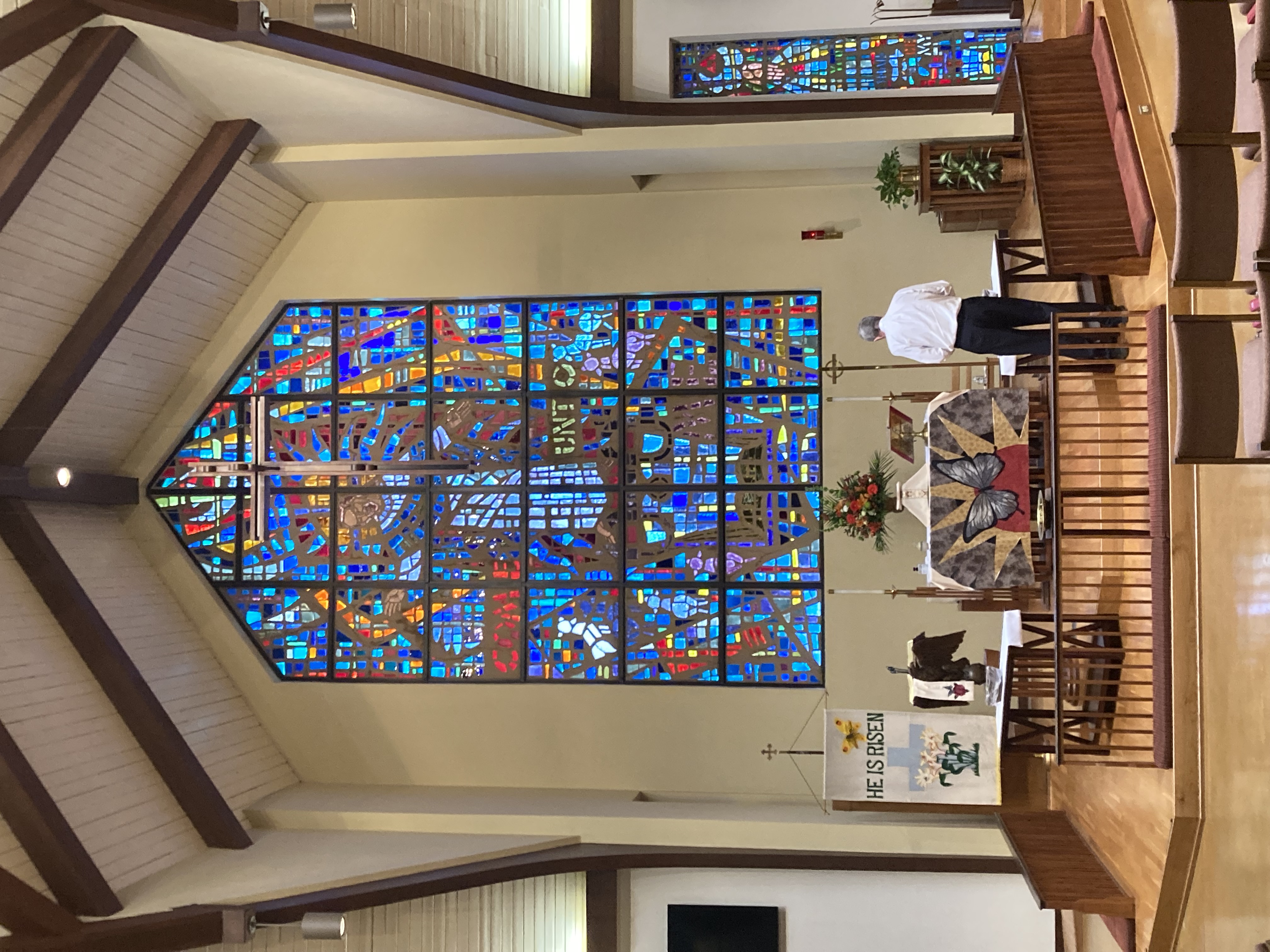
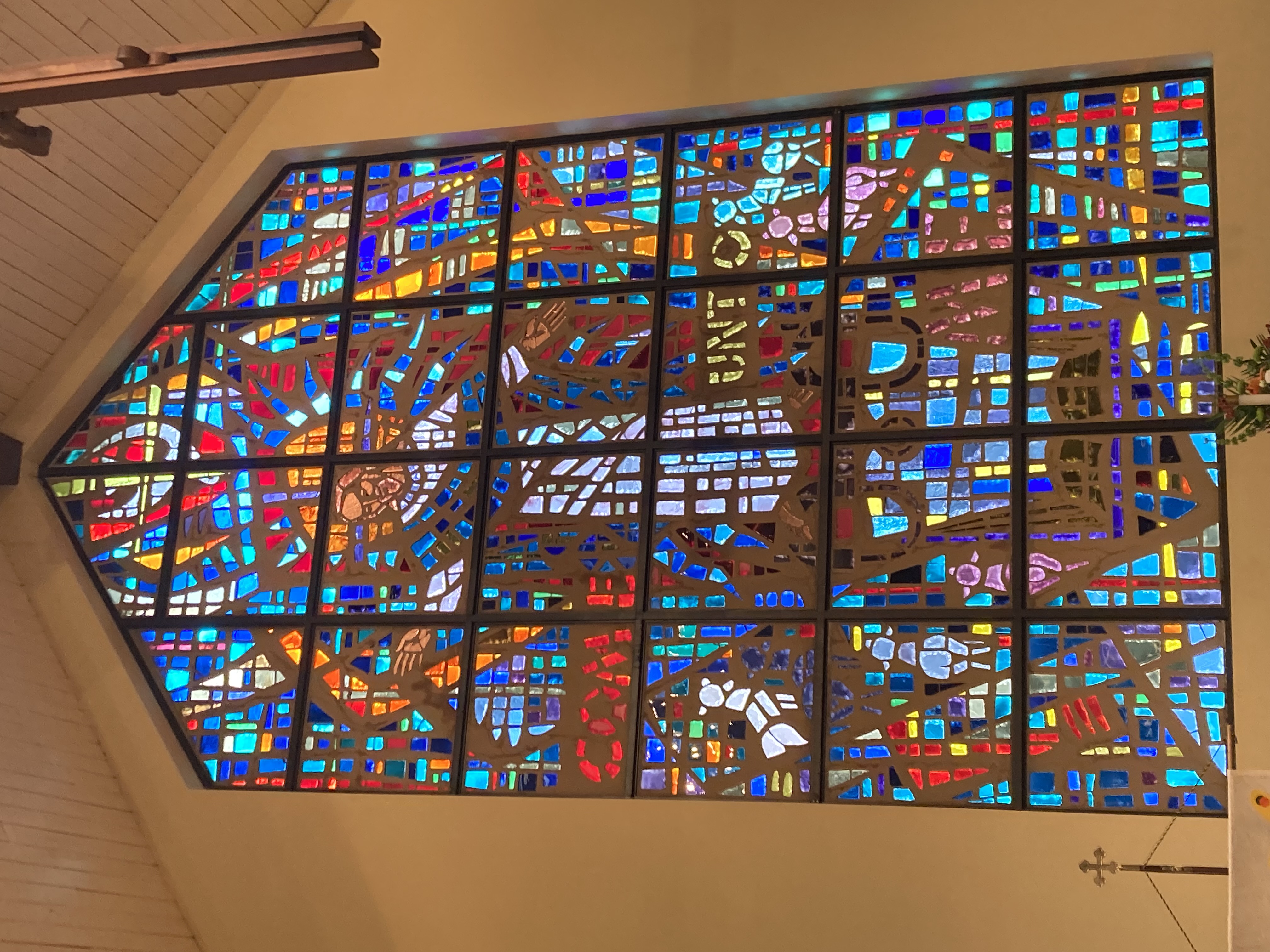
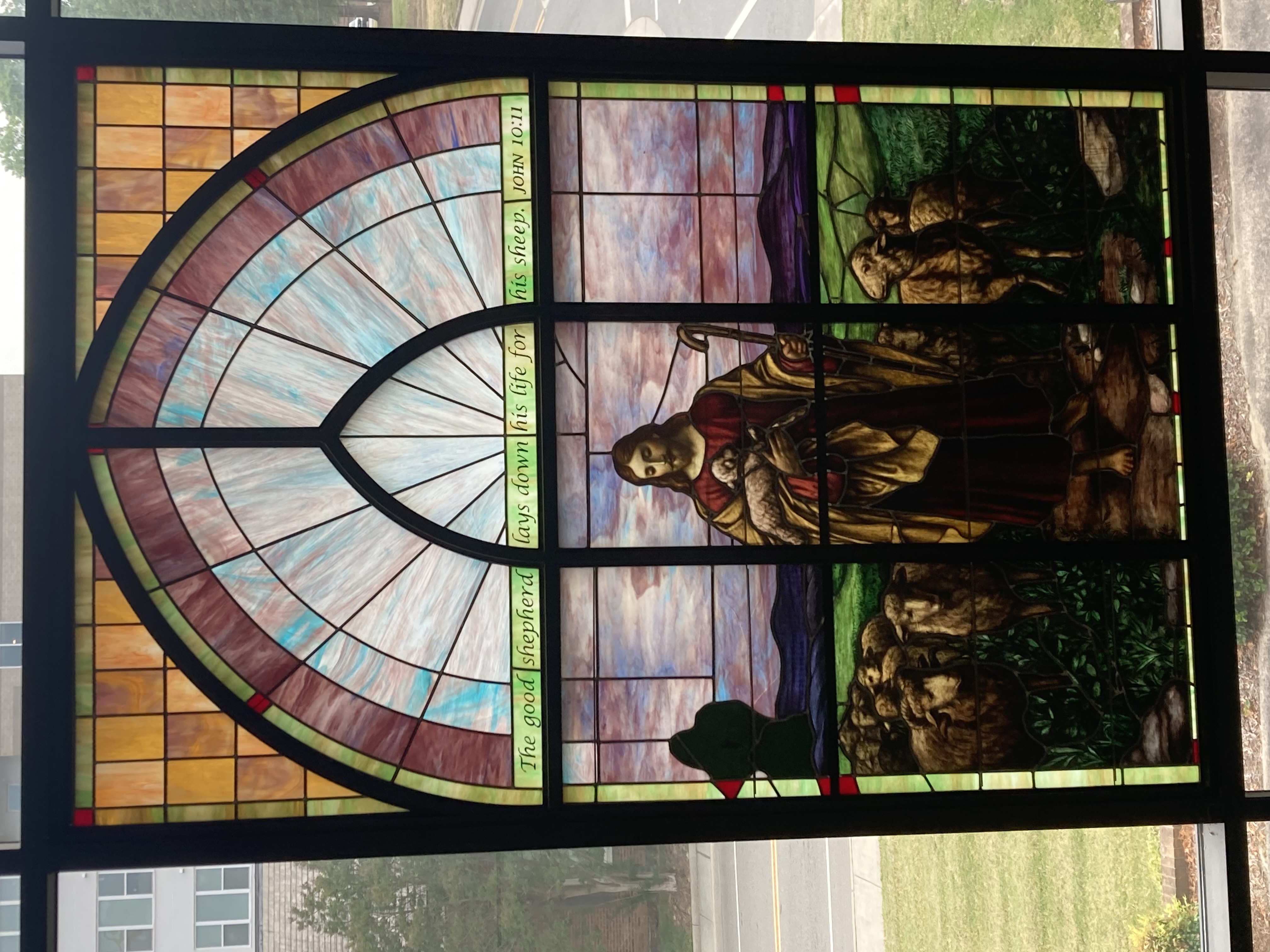
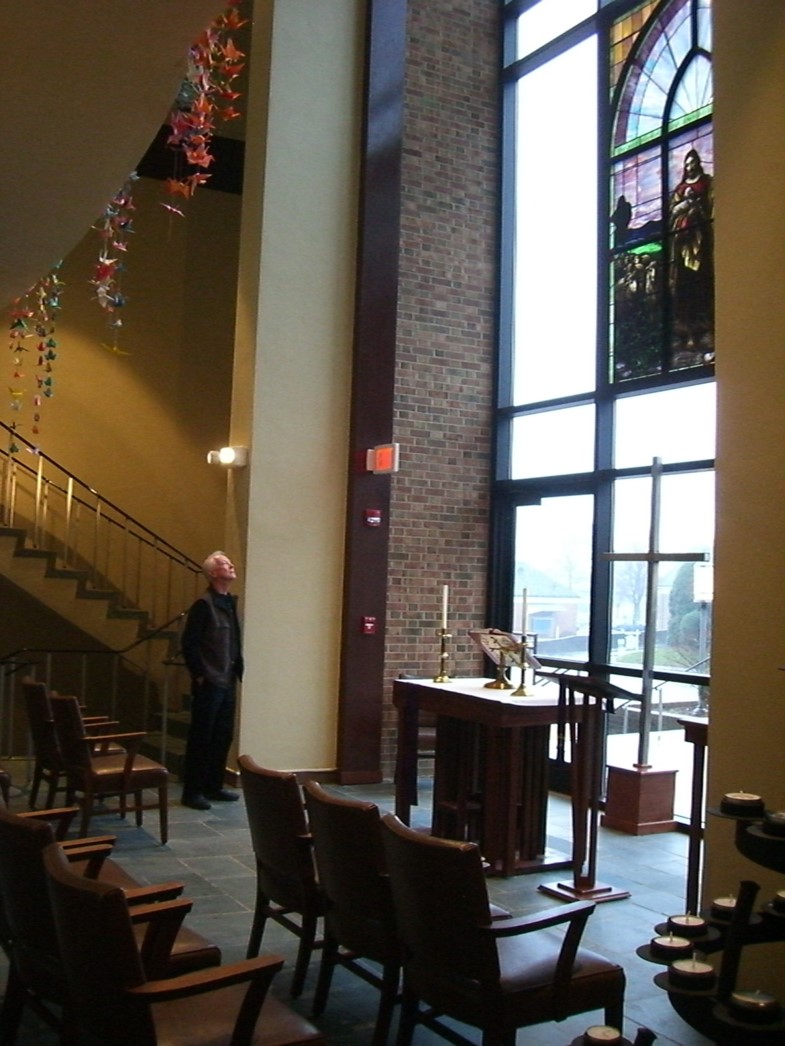
Kannapolis, North Carolina was built by a single company. J.W. Cannon purchased the land in 1906 and constructed what would become the world's largest manufacturer of towels and sheets. At its peak, more than 23,000 people worked at Cannon Mills. The mill built the homes, the YMCA, the civic center — the town itself was Cannon Mills, and Cannon Mills was the town. On July 30, 2003, Pillowtex Corporation — the mill's final owner — permanently closed its doors. In a single day, 4,340 residents of Kannapolis lost their jobs. It was the largest one-day layoff in North Carolina history. The congregation of Kimball Memorial Lutheran Church felt it directly. Situated in the heart of the city, the church had grown alongside the mill community. When the mill closed, so did a chapter in the lives of many of its members. Attendance contracted sharply. The sanctuary — originally designed to seat approximately 600 people in a traditional center-aisle arrangement — now felt cavernous and distant. The back rows seemed a mile from the altar. A balcony above the rear pews made those seats feel even more isolated. The windows were few, the interior dark. The campus itself — a main sanctuary, administrative offices, classrooms, and an open courtyard a full story below the sanctuary level — had accumulated incrementally over decades without a unifying vision. The courtyard sat largely unused, exposed to the elements, cut off from the life of the building above it.
The repurposing project addressed all of this — not by building new, but by fundamentally rethinking what already existed.
The most significant intervention was the enclosure of the open courtyard to create the new Luther Rose Commons. Taking advantage of the natural grade change, a new mid-level entry point was established with a new steeple and porte-cochère to mark arrival and provide weather protection for the first time. Entering at this mid-level, a visitor faces a choice: stairs descend directly into the two-story commons below, a ramp to the right wraps around to the same level, and a ramp to the left climbs to the new sanctuary entry doors above. The commons floor — anchored by a Luther Rose medallion cast into the polished concrete — became the social heart of the campus immediately. City functions are now regularly held there. The original steeple was removed so that the new entry point would be unmistakable.
The sanctuary itself was reimagined from the inside out. Its orientation was rotated 90 degrees. New entry doors were cut into what had been a side wall, and a new altar was constructed in what had been a side addition — giving the sanctuary proper depth and chancel space. By rotating the seating arrangement, the distance from the altar to the last row of pews was reduced to less than half of what it had been. The space beneath the former choir balcony, once part of the rear seating area, was enclosed to create a private bridal preparation room.
But the most quietly remarkable element of the project was the fate of the stained glass window. The original window — a large, richly detailed piece — had always faced north above the old entry doors, receiving flat, indifferent light. The shallow reception area in front of it, while as tall as the window itself, was too compressed to allow a viewer to step back far enough to see the full composition. Details within the window had gone unnoticed for decades simply because the geometry of the space would not allow them to be seen. In the repurposed sanctuary, that window was relocated to the new east wall. Morning light now pours through it. And with the depth of the full sanctuary behind the viewer, the window can finally be seen in its entirety. It is the first thing a person sees upon entering — and members who had worshipped in that space for years described discovering details in the window they had never noticed before. They were always there. No one had ever had the room to see them.
The old reception area, relieved of its original function, became a new intimate chapel. A stained glass window salvaged from an office space — one that had once been exterior but had been buried by subsequent additions over the years — was re-introduced into the chapel as its defining element. Two windows, both with histories of being overlooked, found new purpose and proper light.
Construction documents by MDS10 Architects. Michael J. DeVere, Principal.
Beginning in the mid-2010s, Outback Steakhouse undertook a national exterior rebranding initiative — retiring the classic teal green mansard roof in favor of a darker, more upscale palette anchored by standing seam dark brown metal roofing, stone-clad column piers, horizontal railings, shade awnings, and a new entry tower element with blade canopy. As Architect of Record across multiple locations, the work illustrated a fundamental truth about national renovation programs: there is no such thing as a prototype. Each location presented a different building type, a different performance tier, and a different set of constraints.
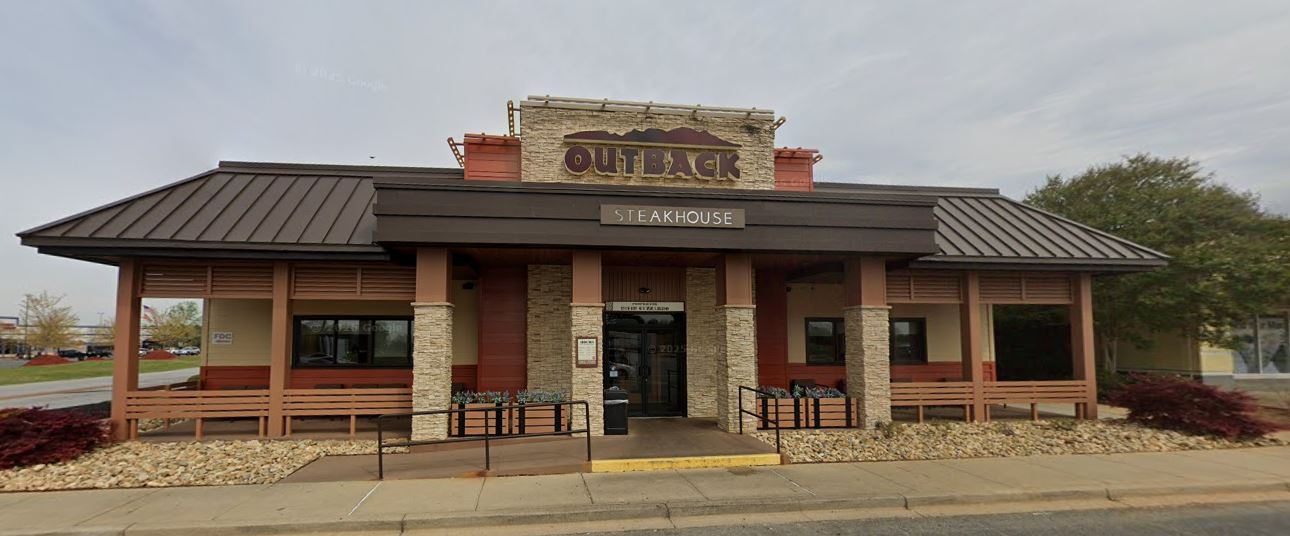
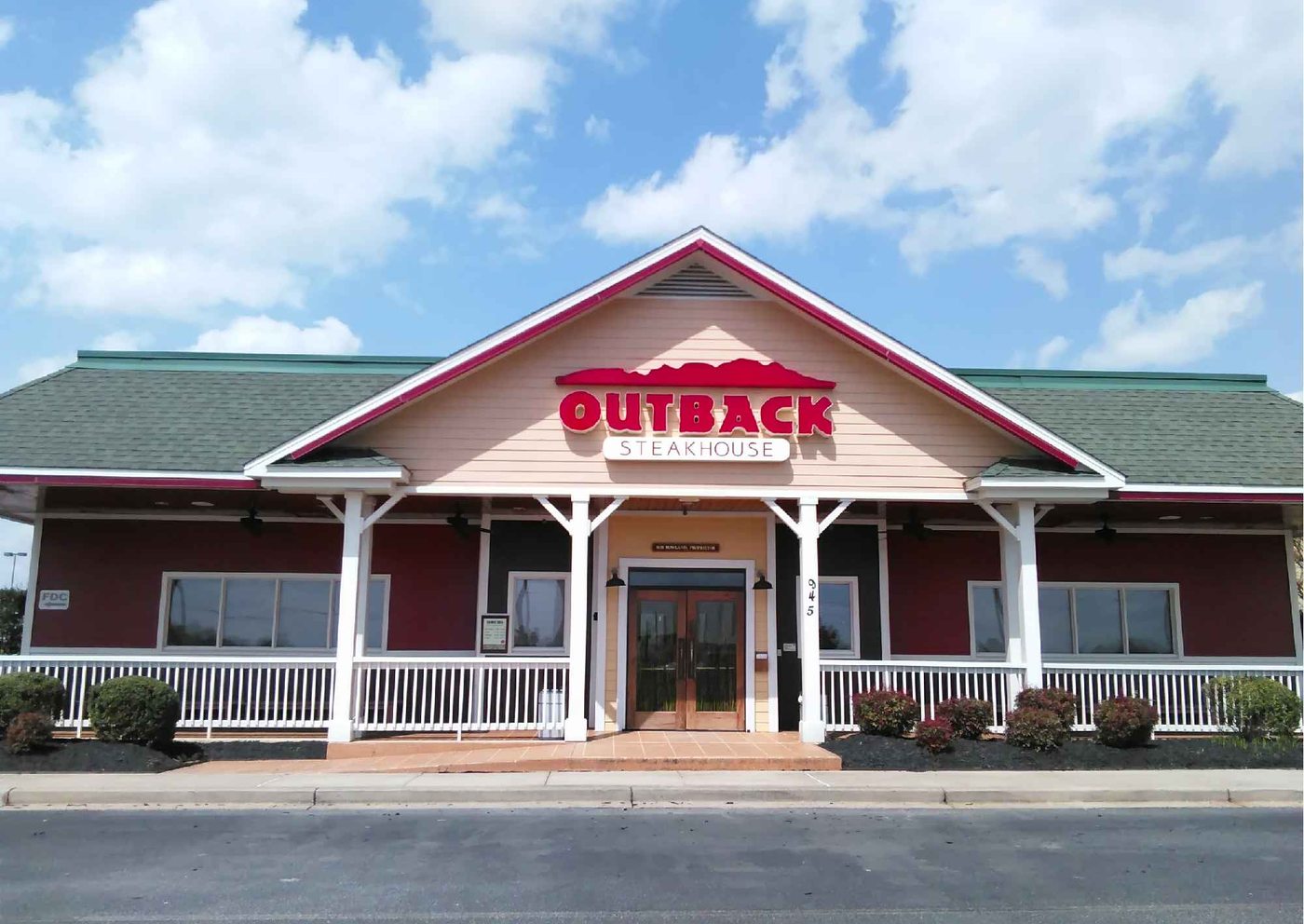
The flagship rebranding scope: teal green mansard removed and replaced with dark brown standing seam metal, new stone-clad entry tower with blade canopy roof, existing covered front porch retained with slender wood posts enlarged and wrapped in stone veneer, new horizontal railings and shade awnings throughout.
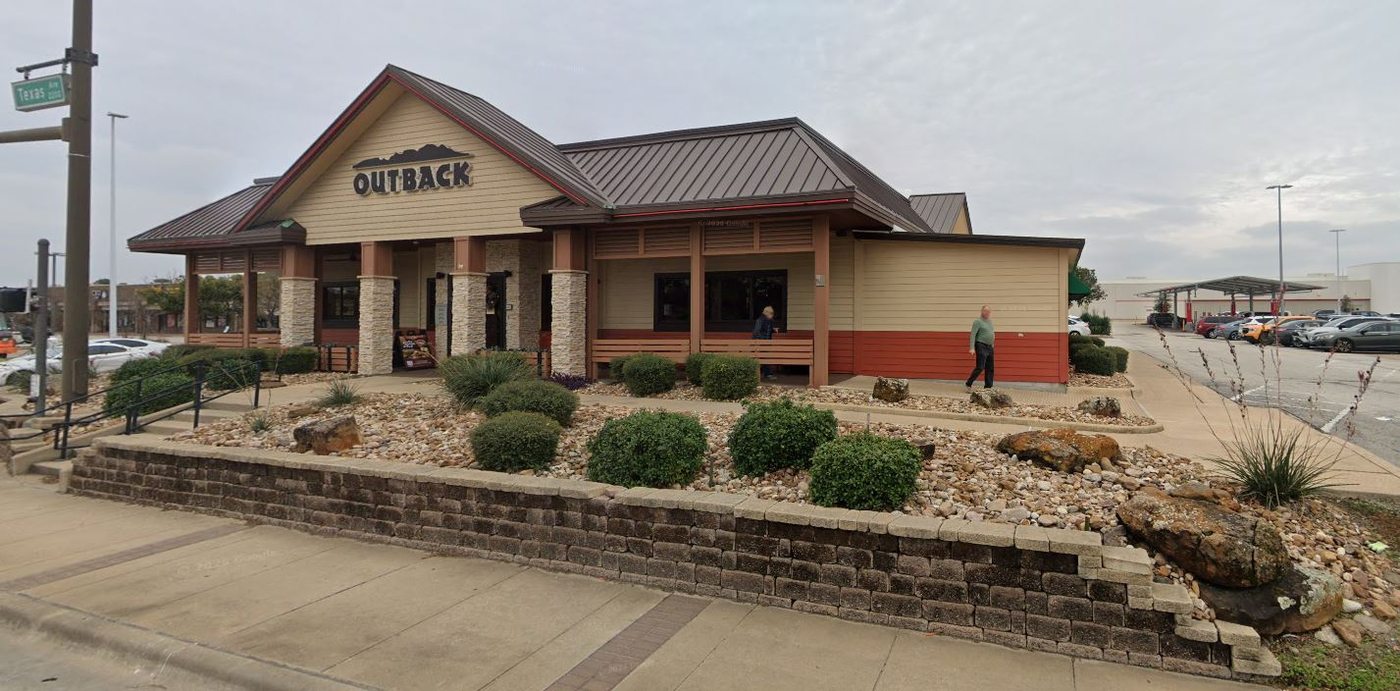
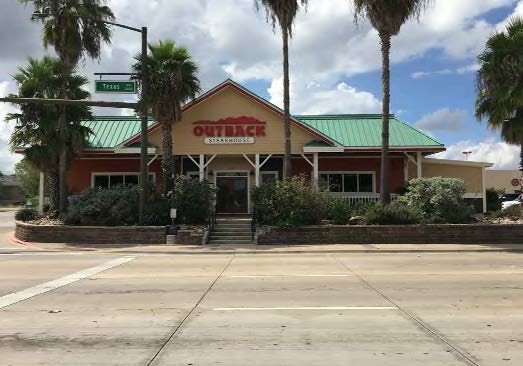
A lower-performing location receiving a reduced but on-brand scope: existing gable roofline retained and repainted dark brown, existing covered porch upgraded with stone-clad piers, new horizontal railings and shade awnings added. In lieu of the new tower element, a red LED strip light was reintroduced at the entry — a brand-approved adaptation for constrained renovation budgets.
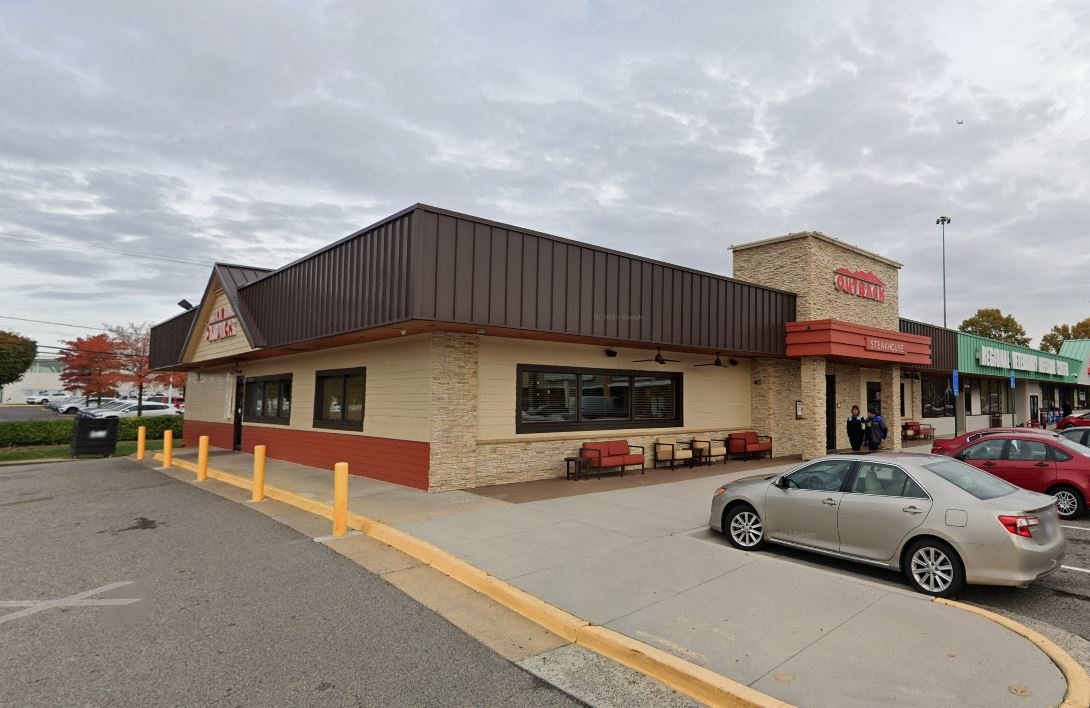
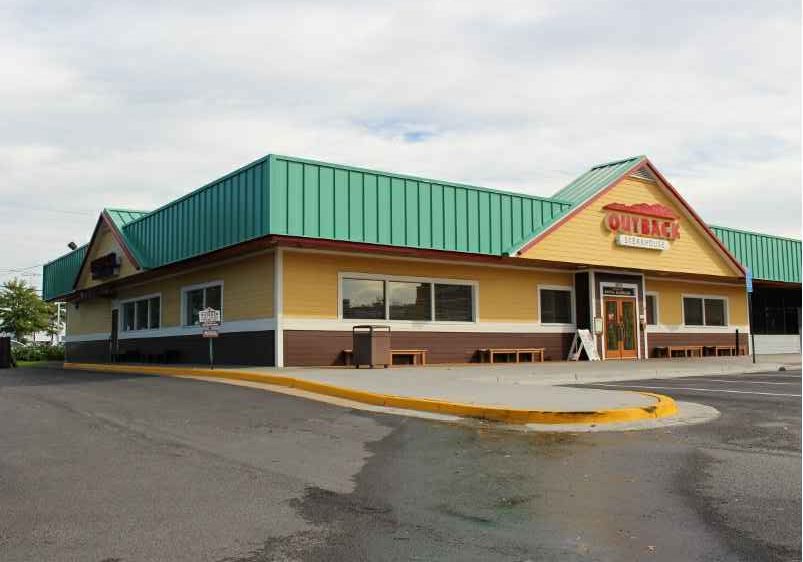
Originally established in 1992 as an end-cap tenant in a retail center — a fundamentally different building type requiring a fundamentally different approach. The existing mansard roofline was largely retained per the landlord's design criteria. Stone veneer was added as a water table below the dining room windows. A single monolithic stone tower at the main entry achieves the required brand landmark presence within the constraints of an end-cap footprint and landlord restrictions.
Over more than 20 years of continuous work with the same client family, Michael has served as Architect of Record for exterior and interior renovation programs at numerous Carrabba's Italian Grill locations. The two projects shown here represent distinctly different renovation challenges — one a targeted intervention on a solid original building, the other a complex problem-solving exercise requiring the removal of a design feature that had become a significant operational liability.
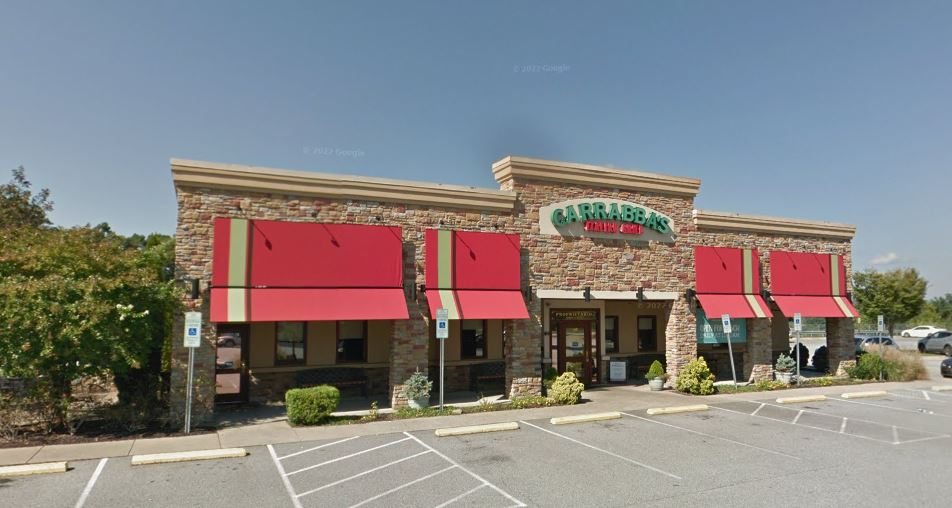
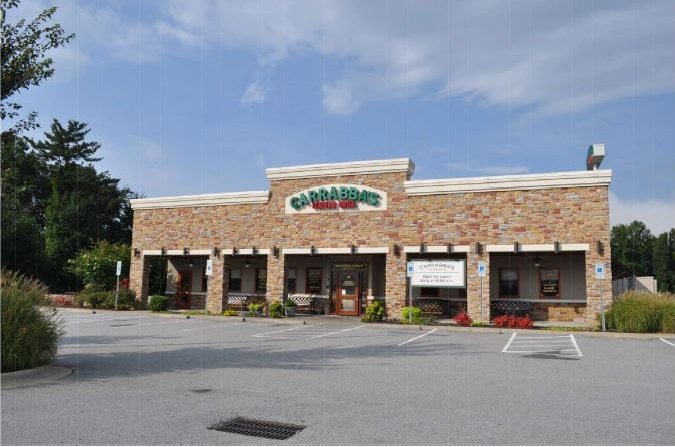
The original building presented a pleasant brick exterior with up-down column lighting and covered patio — well-composed but visually quiet during daylight hours. New bold canvas awnings in the brand colors create rhythm, warmth, and immediate visual identity from the parking lot. New downlights above the awnings ensure the building reads equally well at night. A targeted, surgical intervention.
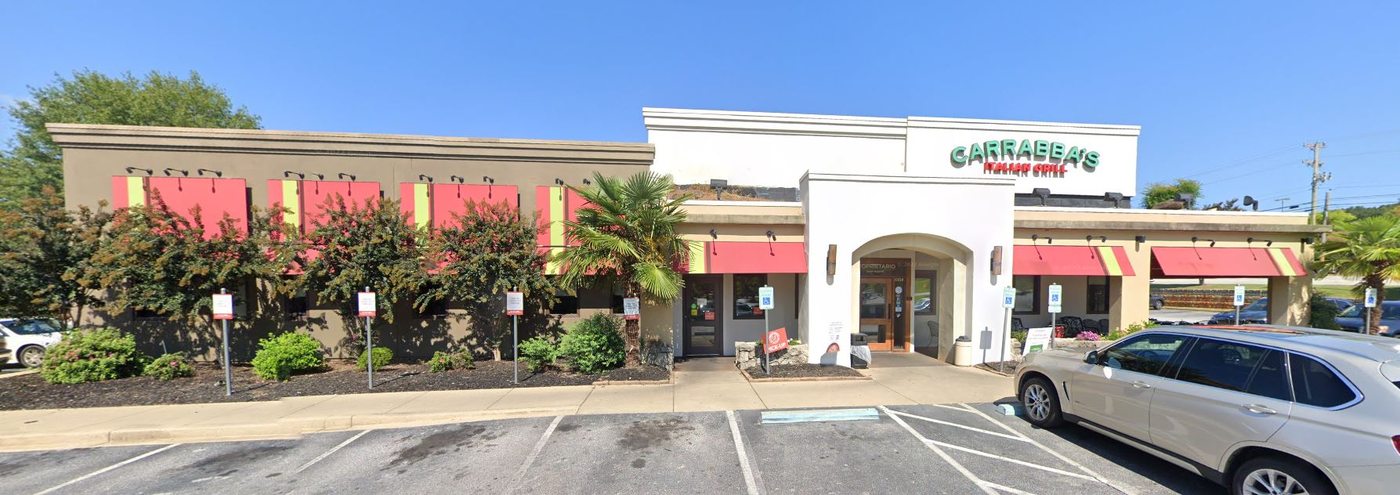
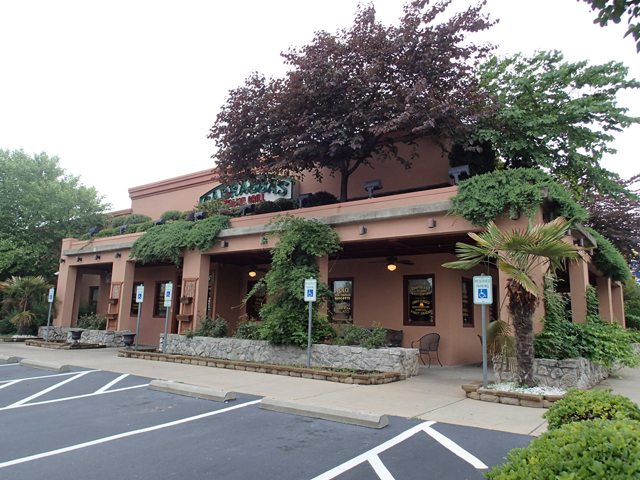
The original 2003 design featured a rooftop garden — a unique element that, over time, produced full-grown trees towering above the building. By 2015 it had become a costly operational burden. The design solution removed the rooftop garden entirely and converted the freed rooftop into a bold projecting white parapet — framing the signage with a shadow line and dramatically improving brand visibility. The original rooftop lighting was repurposed to illuminate the new parapet at night. A new arched entry tower was created by enlarging existing piers. A liability turned into an asset.
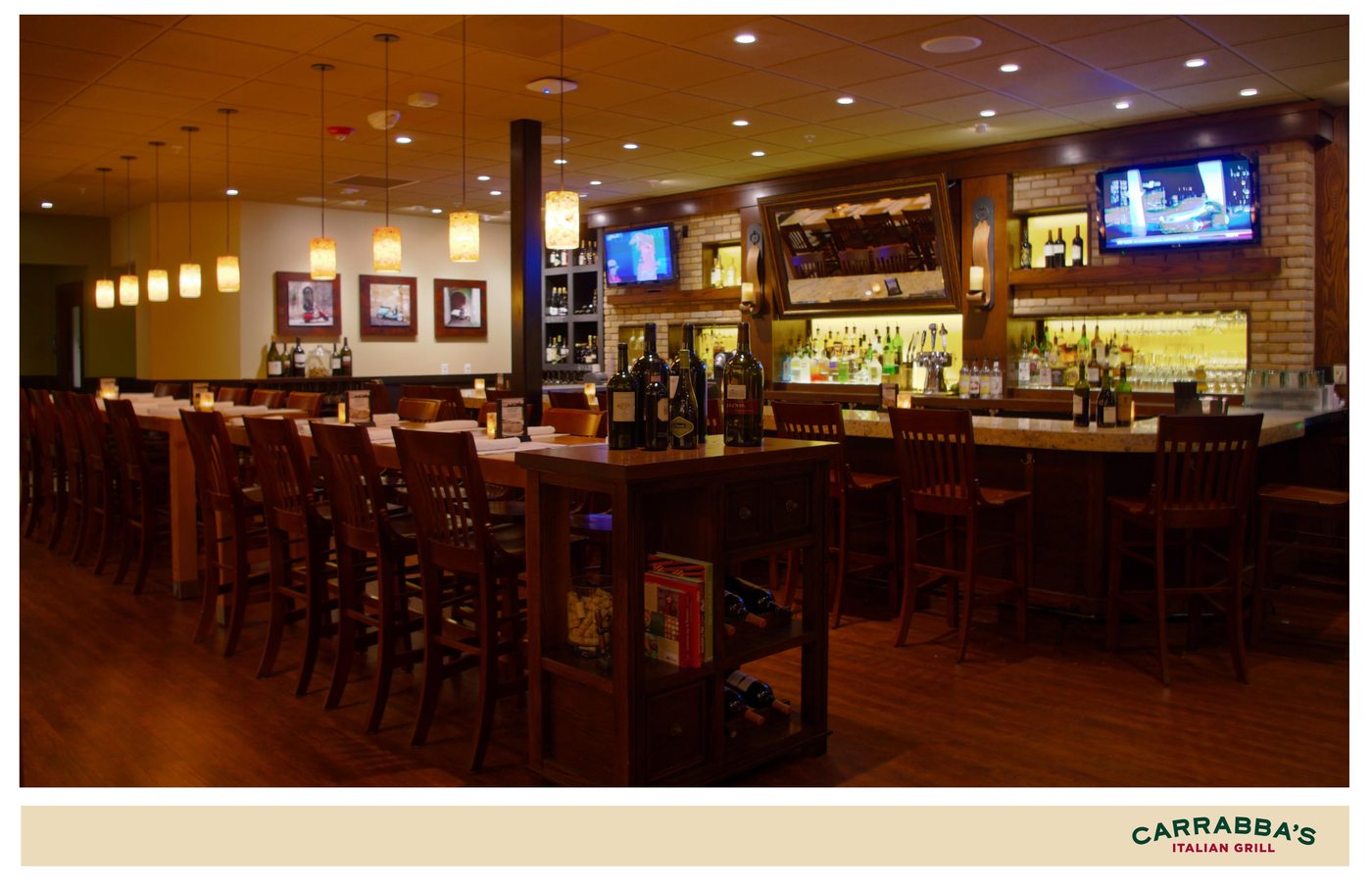
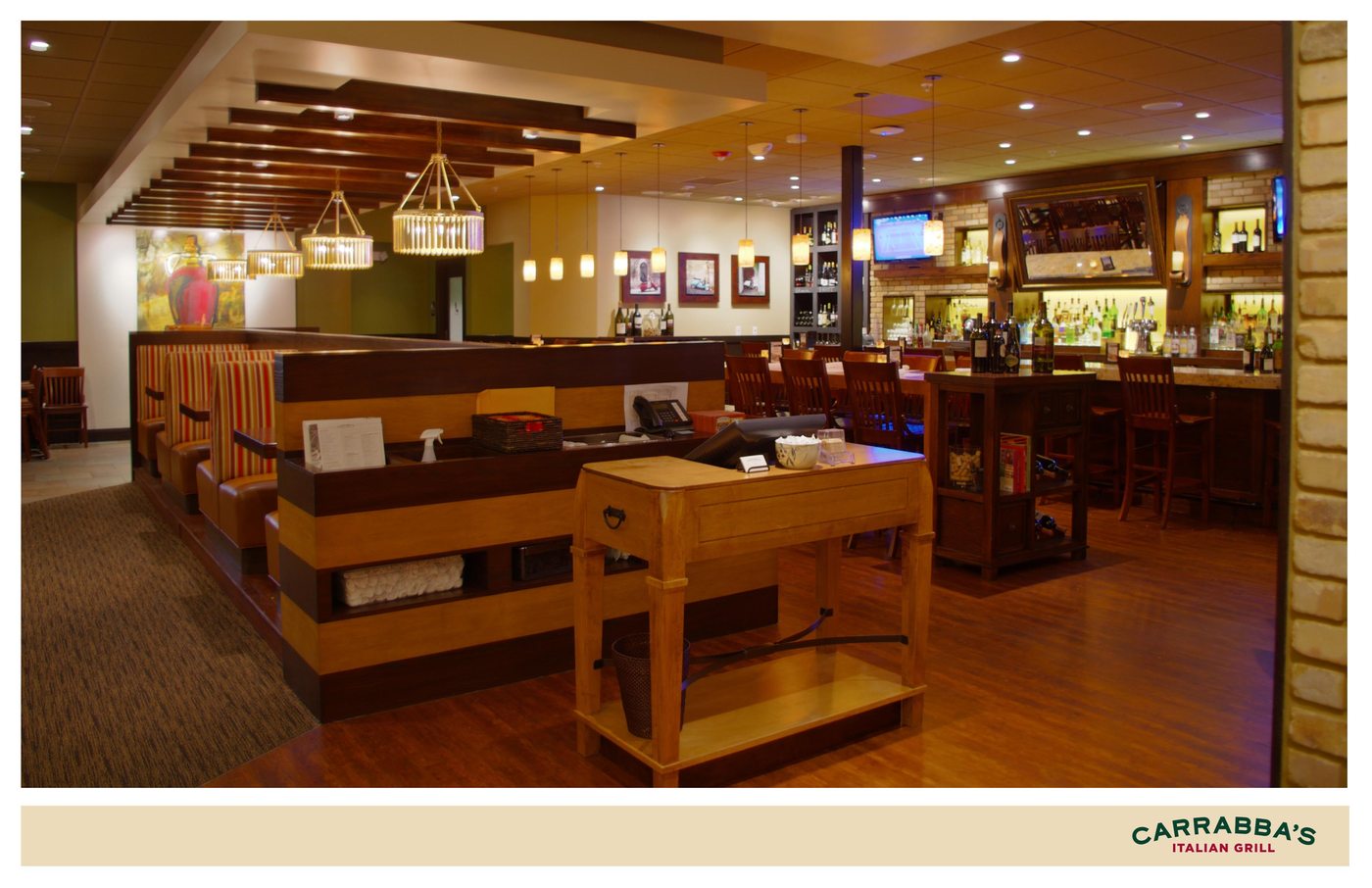
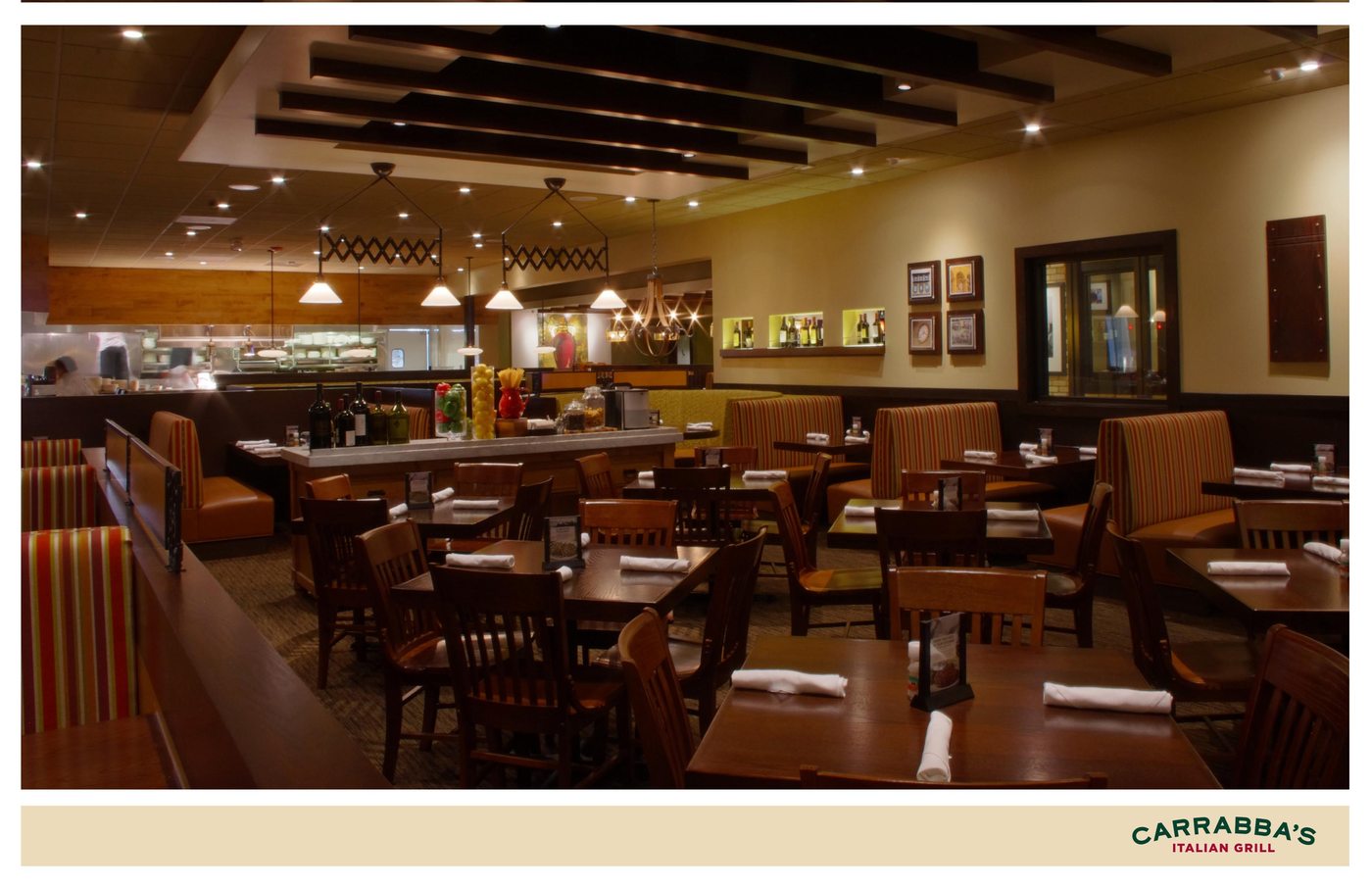
Originally opened in 2004, this Fleming's Prime Steakhouse & Wine Bar served its Naples clientele for nearly 20 years. After two decades of evolving service — an expanded bar, an added exterior patio, and growing demand for private dining — the owner recognized that both the exterior facade and the interior program were ready for a significant transformation. The directive was straightforward: refresh the exterior and add a third private dining room. In the owner's own words, that additional room was “money in their pocket.”
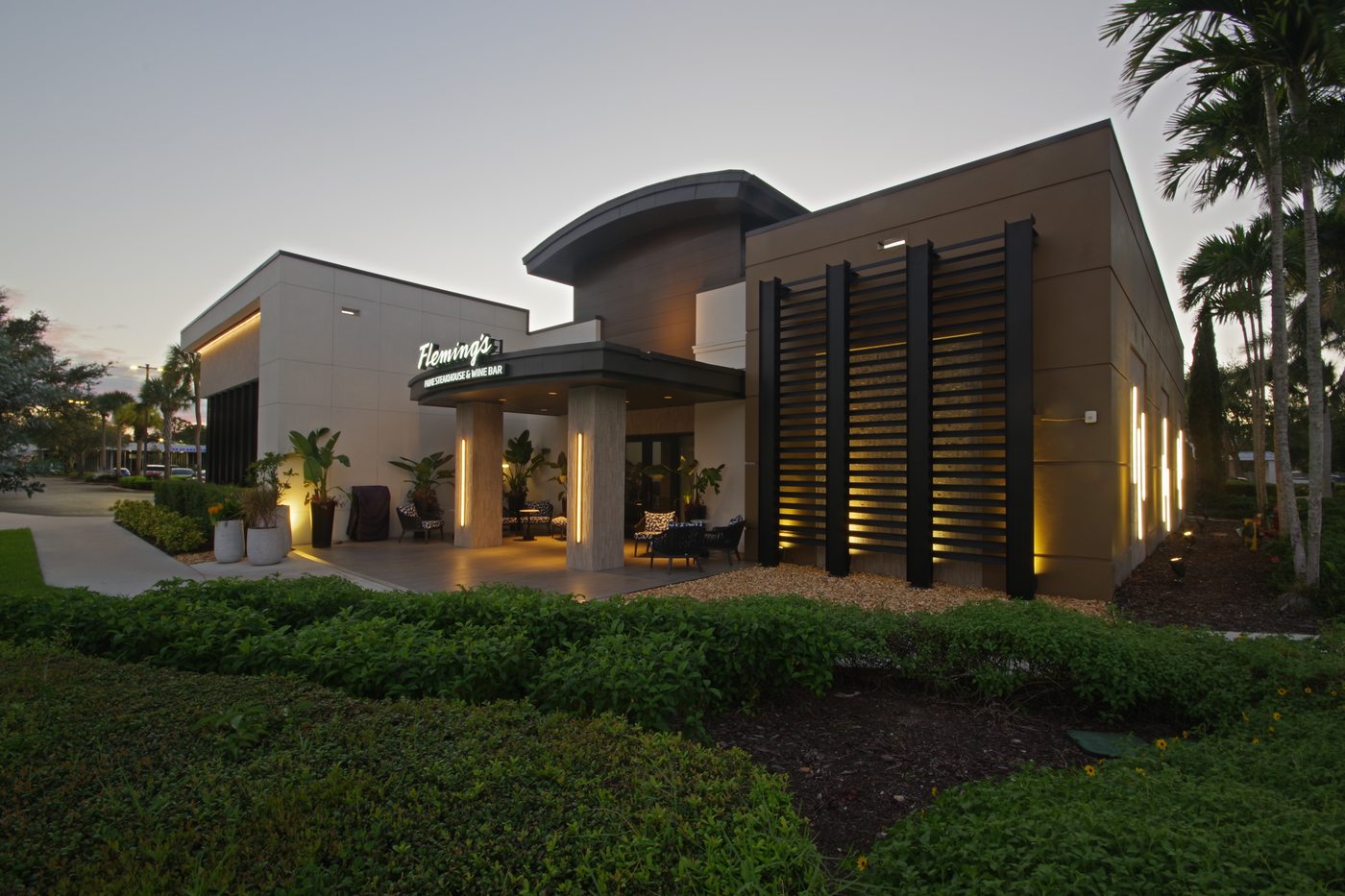
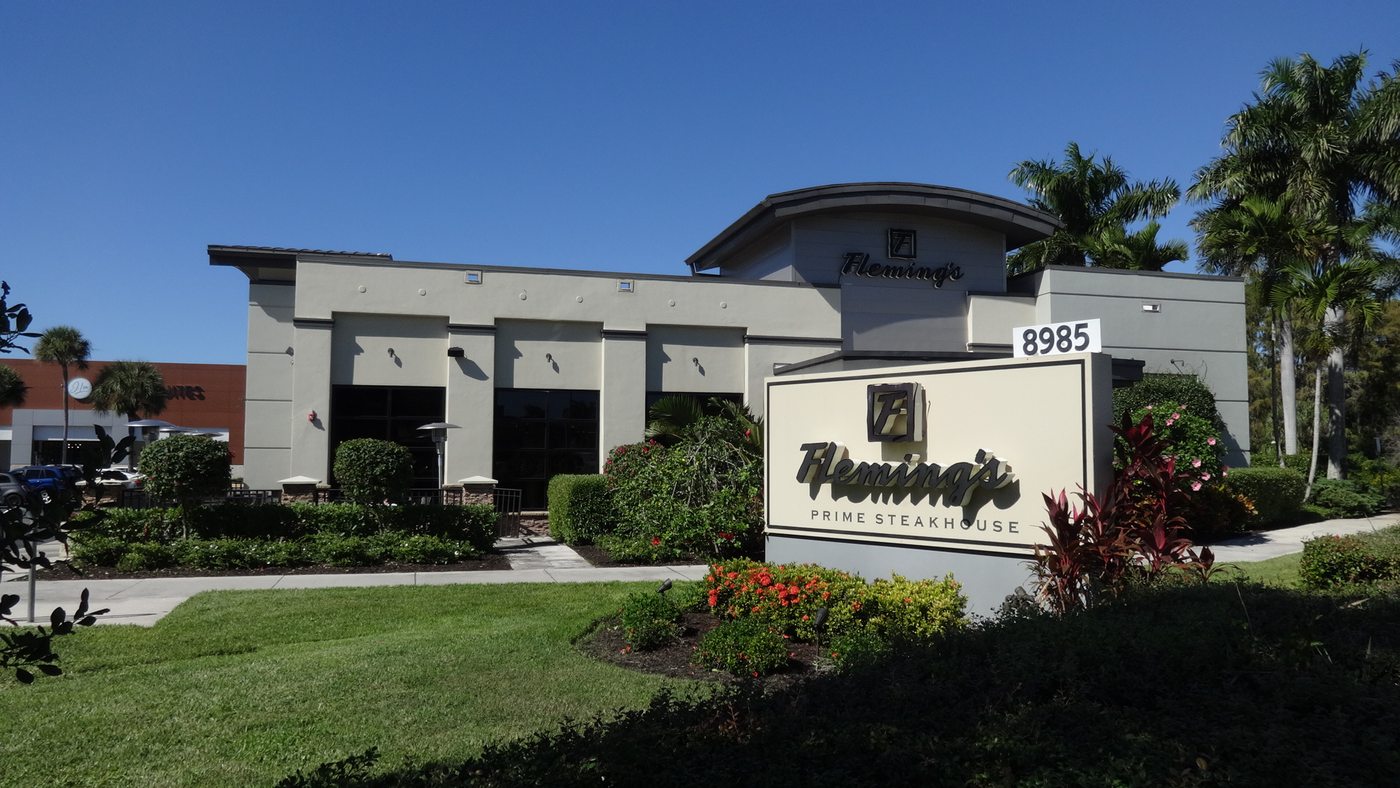
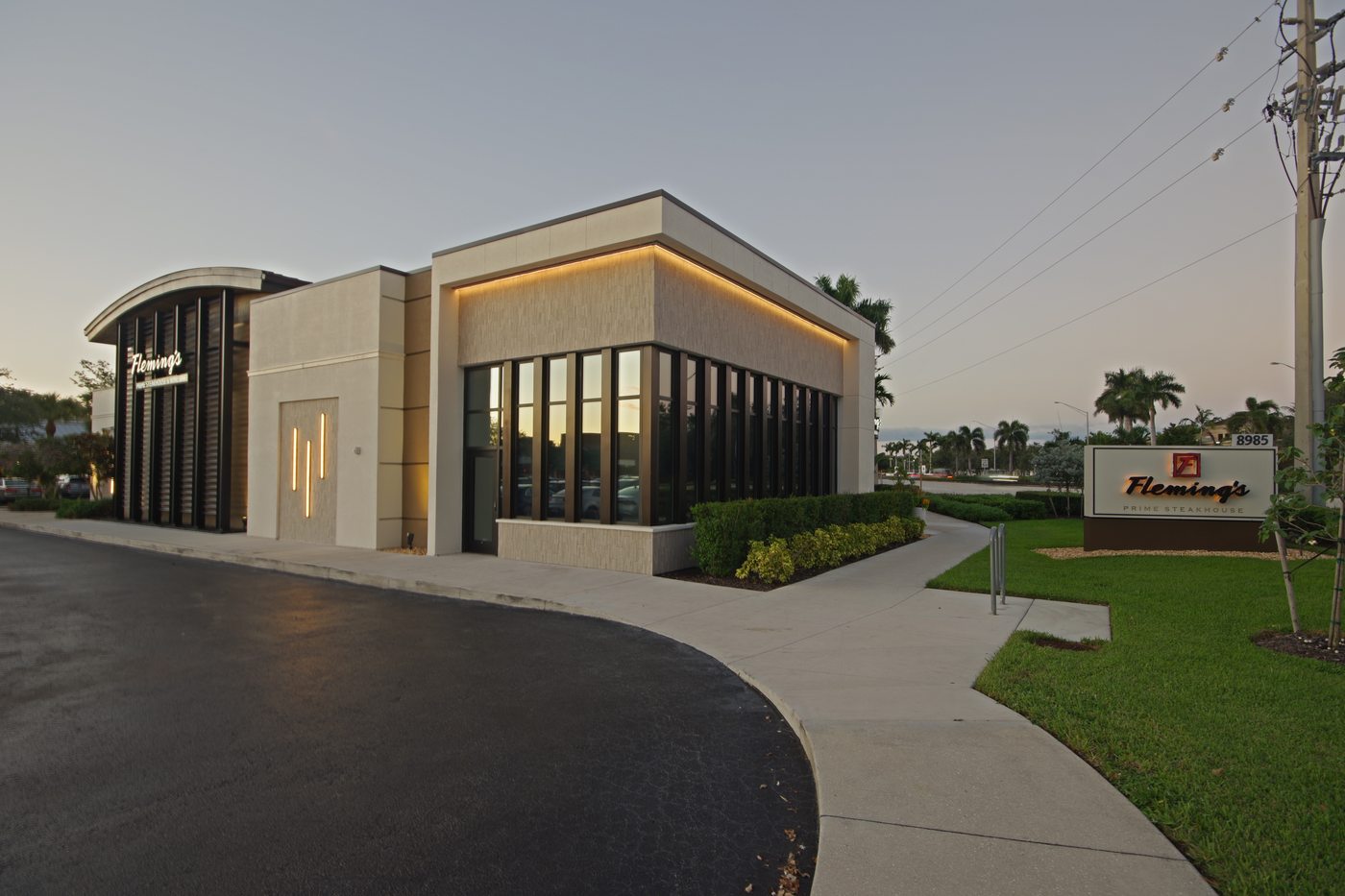
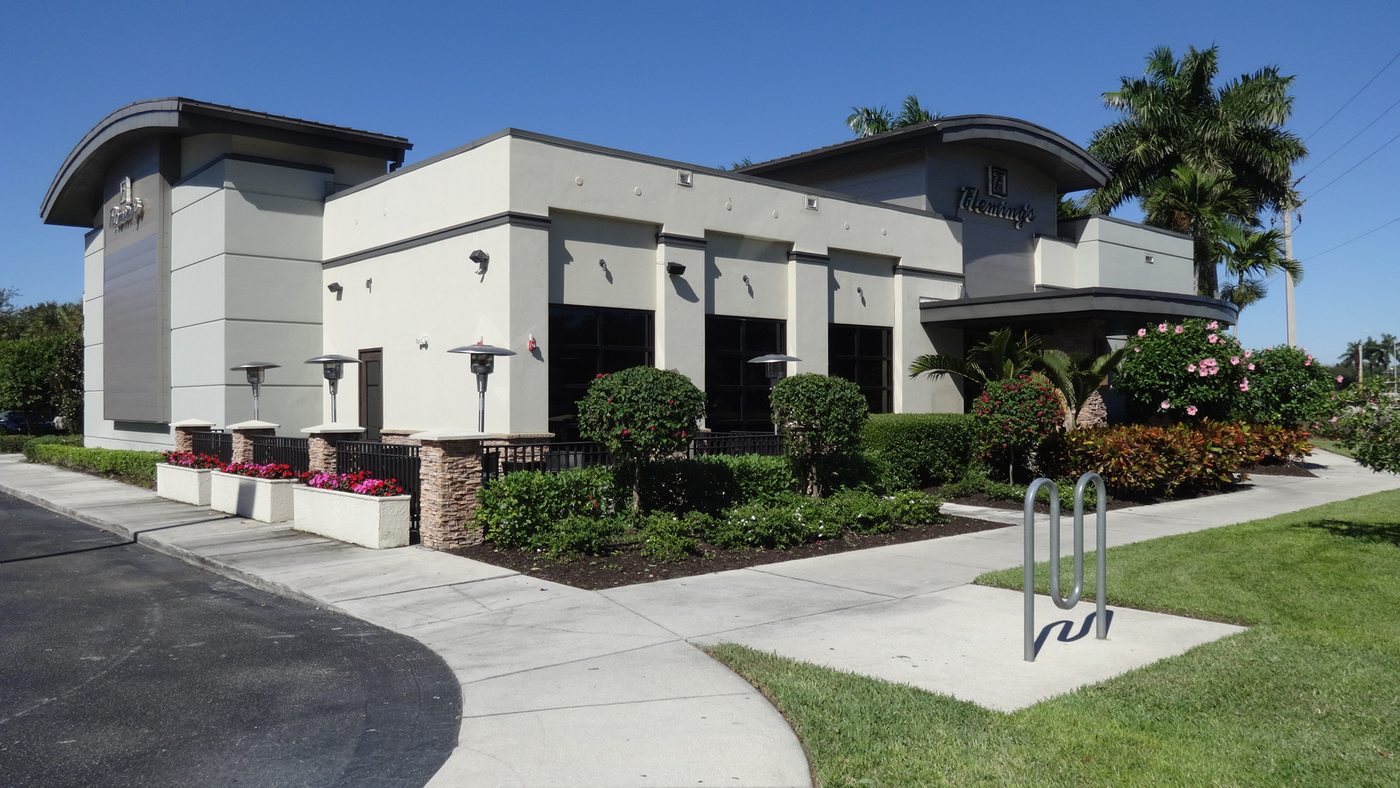
The design solution converted the existing 436 sf exterior dining patio into a fully enclosed, climate-controlled third private dining room — capturing new revenue-generating space while delivering a comprehensive exterior transformation. The original grey stucco facade gave way to warm stone cladding, bold louvered screen elements, and dramatic backlit vertical lighting columns. New, high-visibility signage on the porte-cochère fascia replaced the original sign mounted within the arch above — sharpening the brand presence at the entry.
Construction documents by Michael J. DeVere, Architect. Permitting and construction administration by the General Contractor.
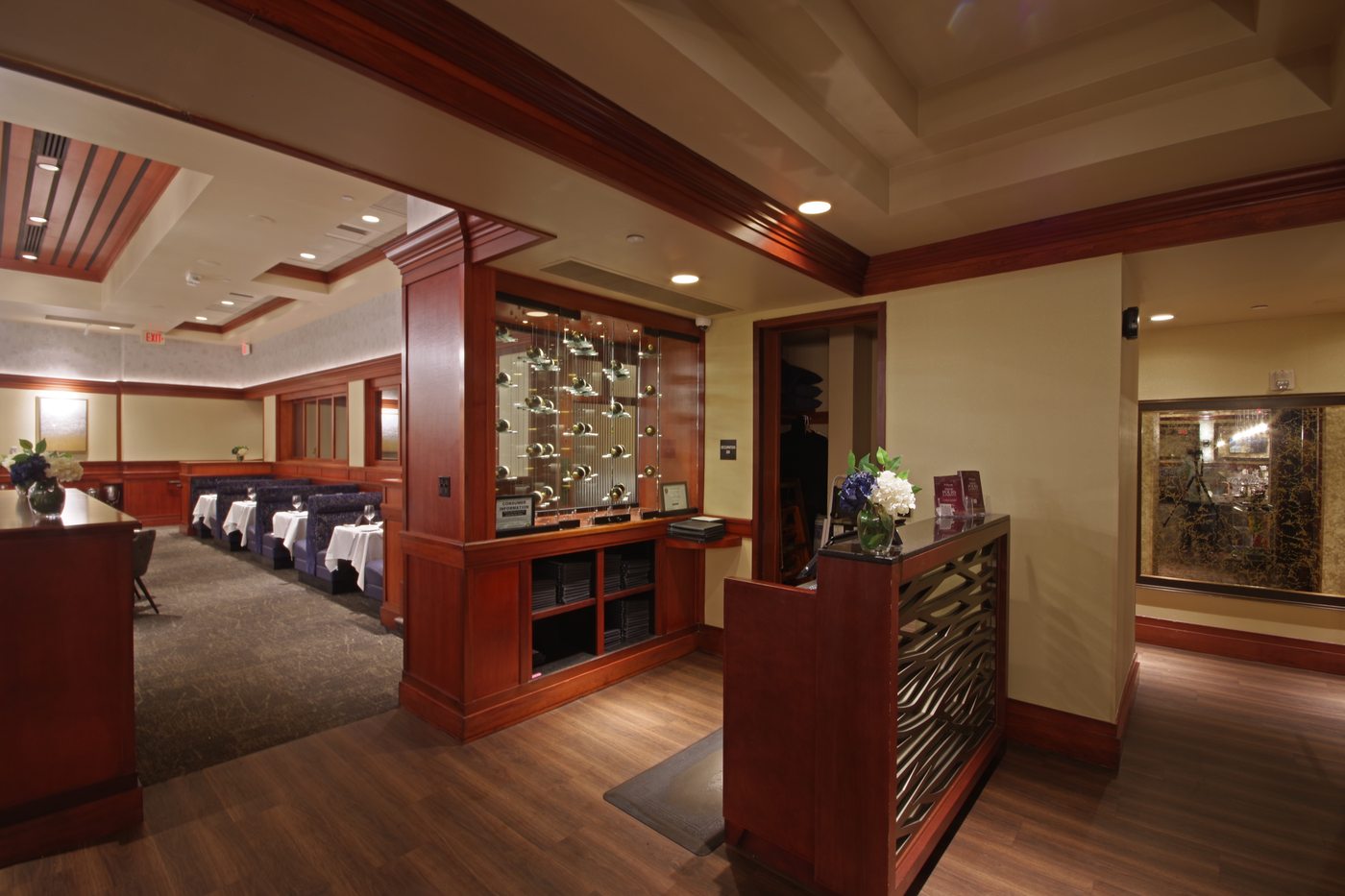
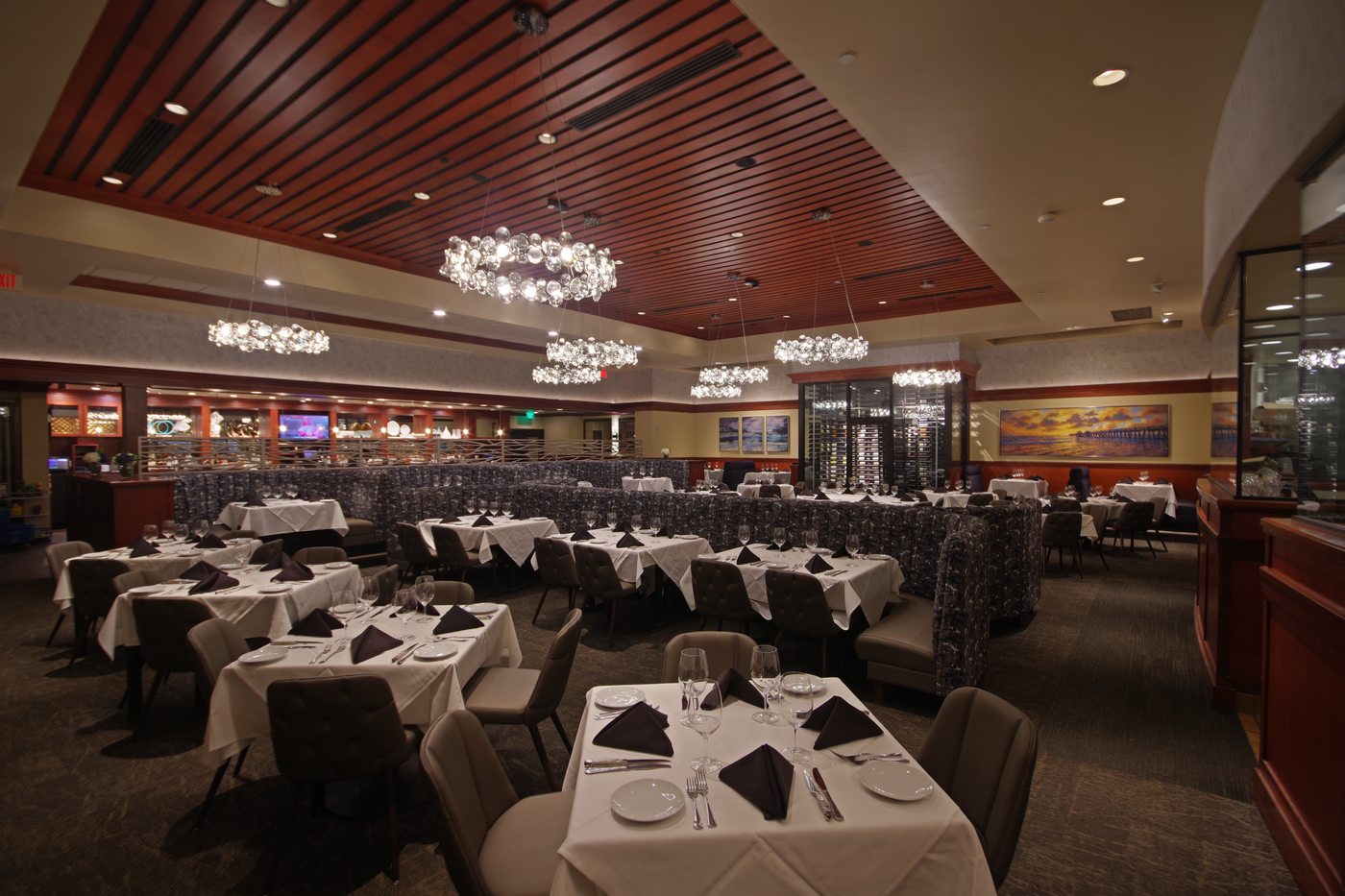
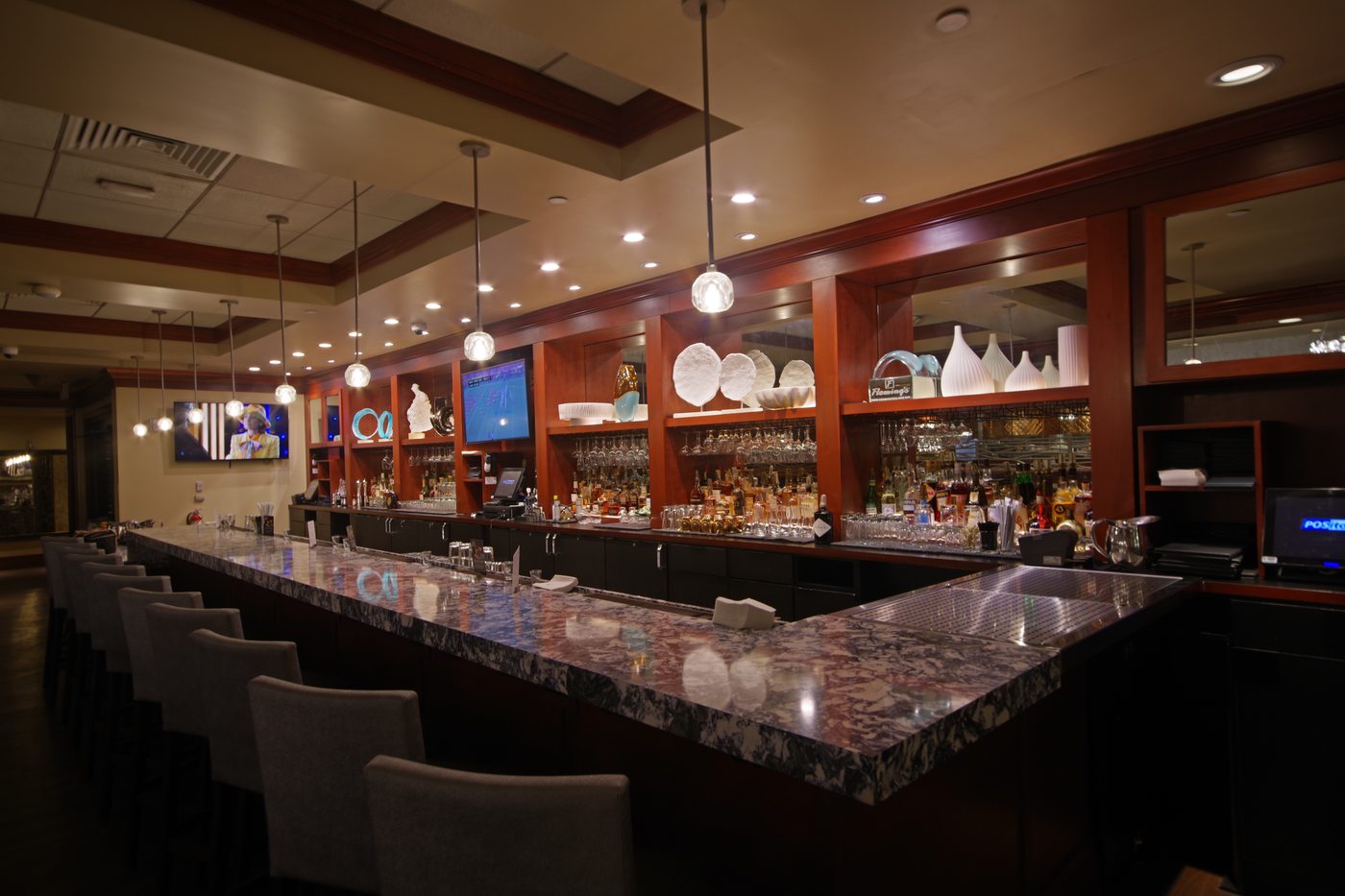
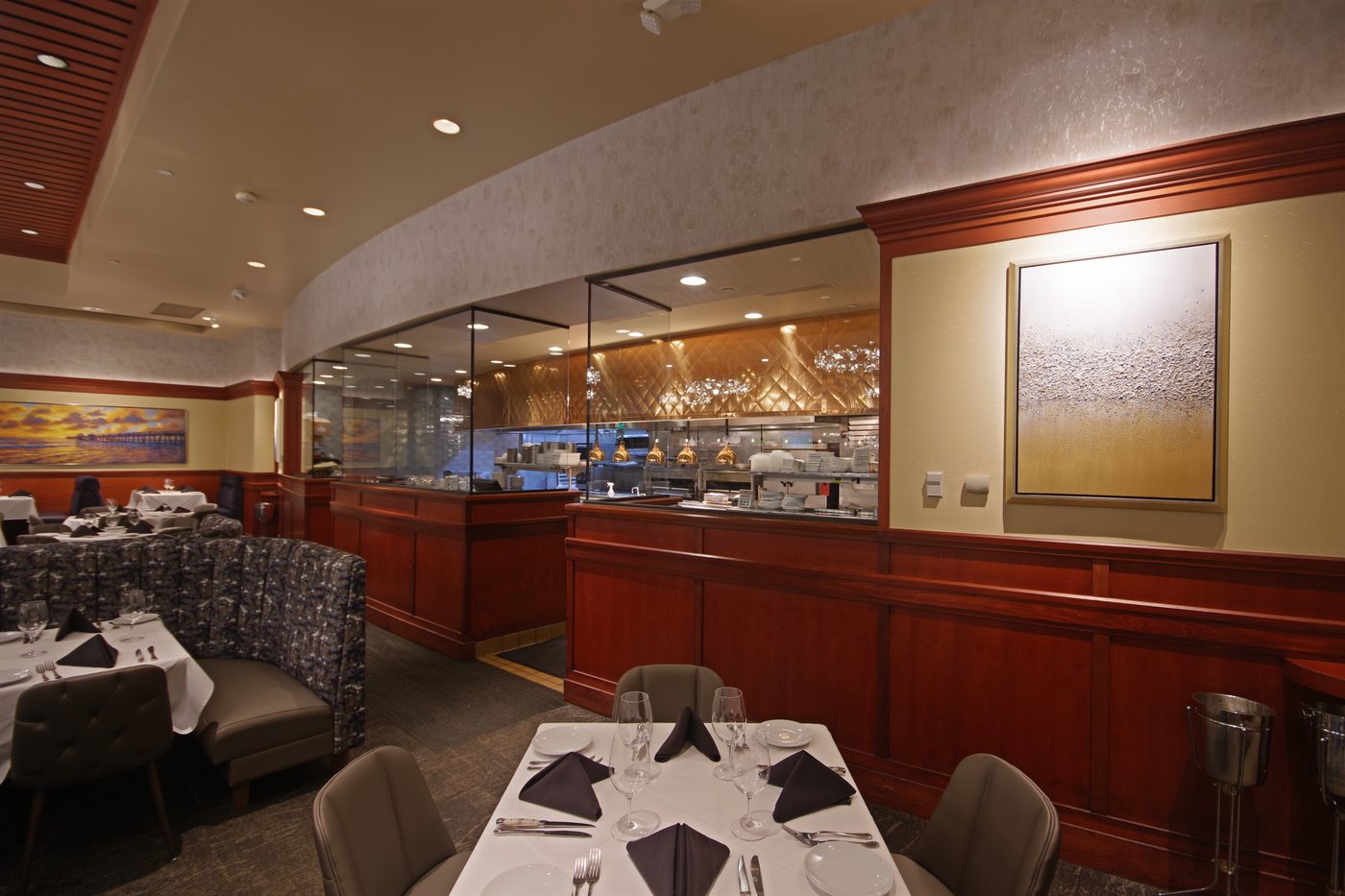
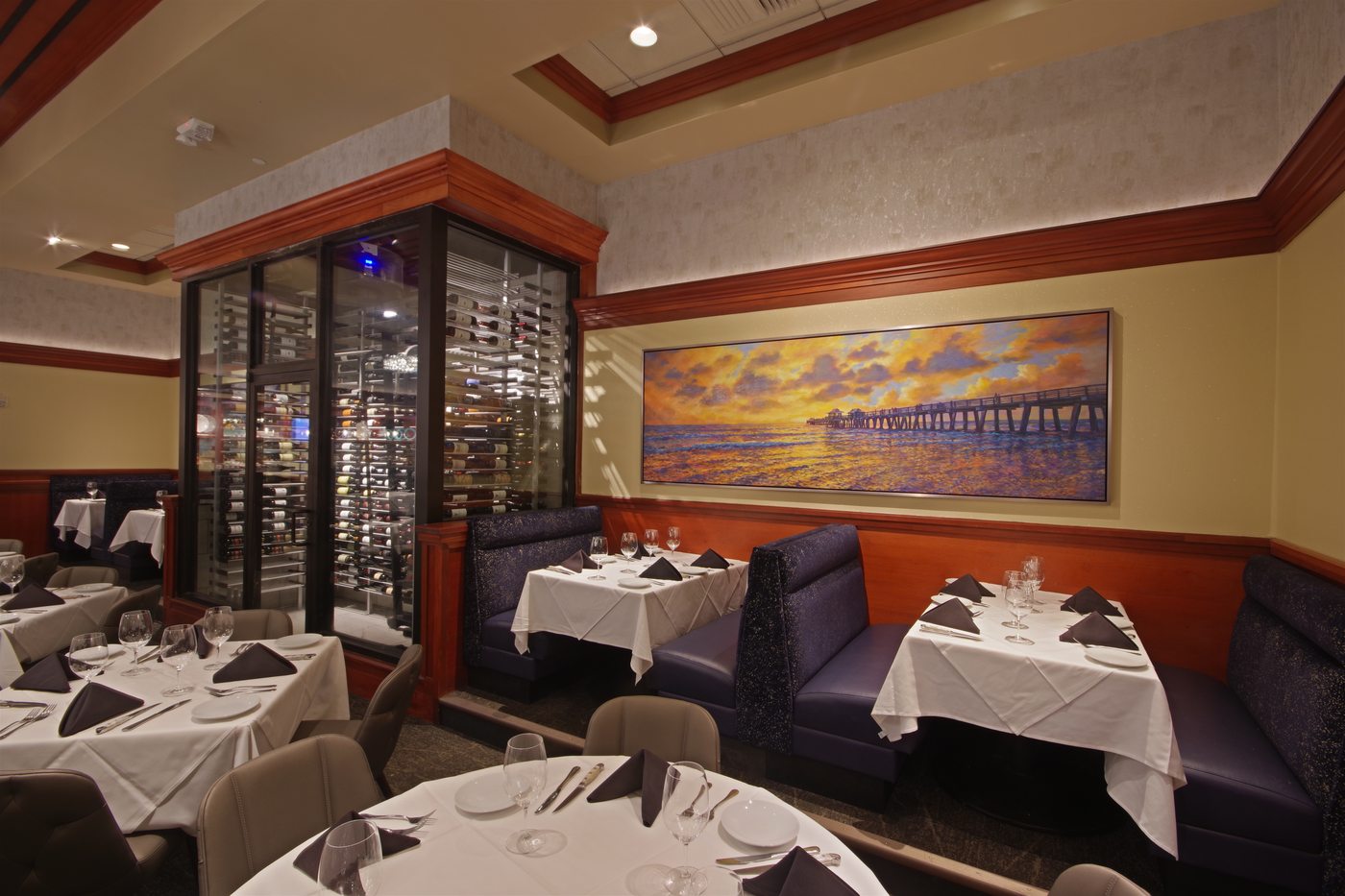
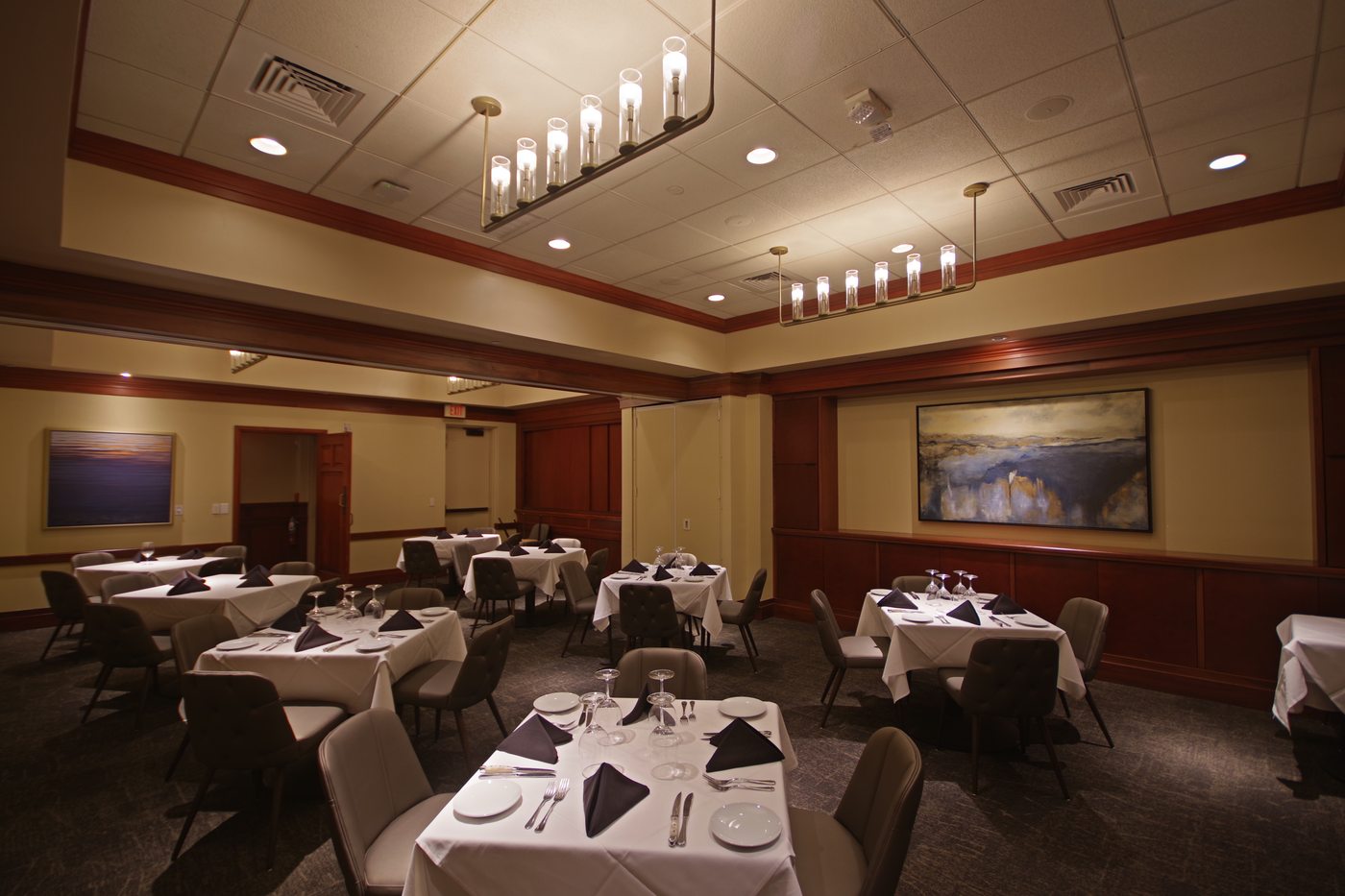
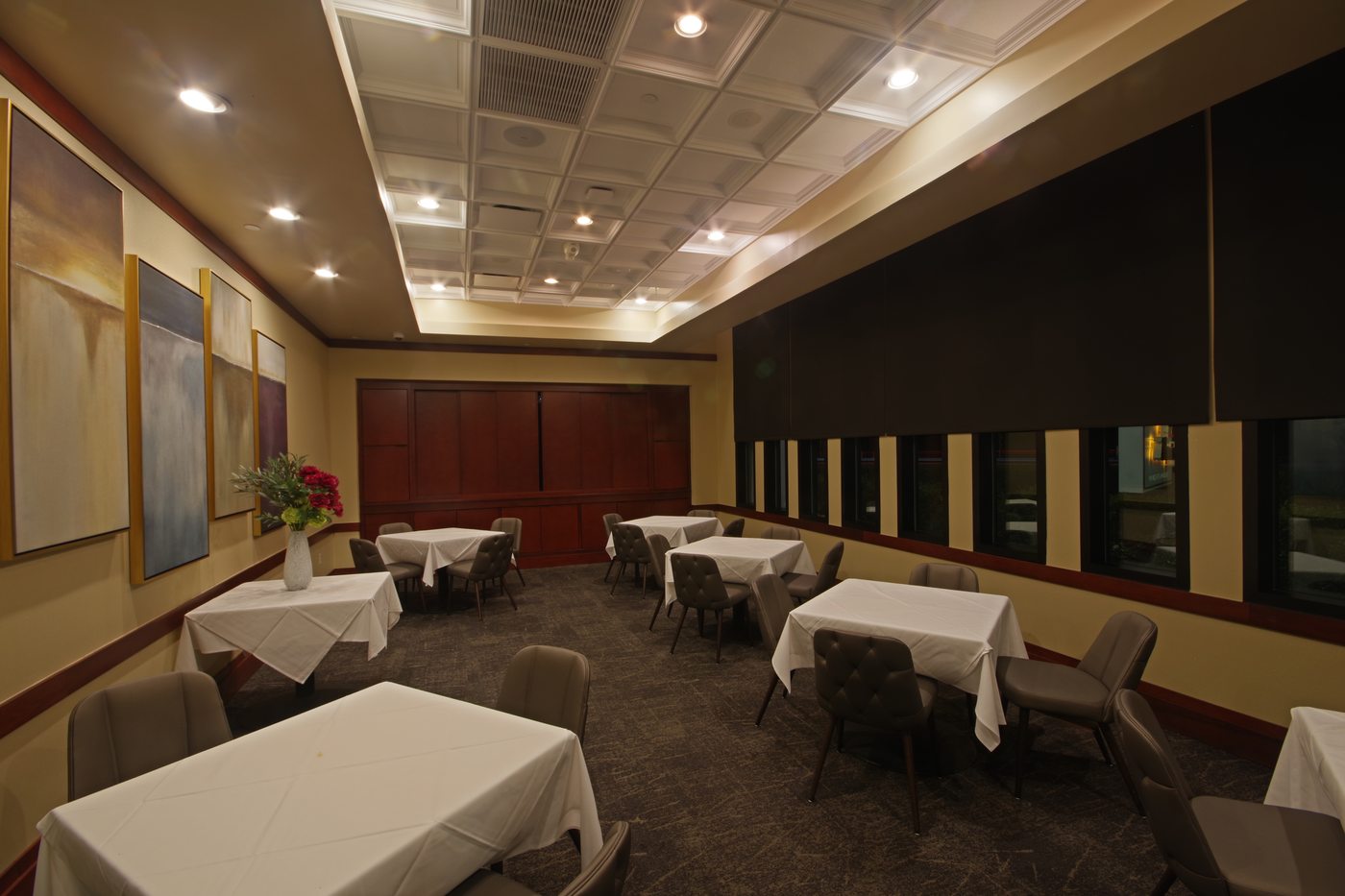
The new third private dining room — converted from the existing exterior patio — is the defining achievement of this renovation, transforming underutilized outdoor space into a fully enclosed, revenue-generating private event venue.
Twenty years ago, a restaurant was considered dated when the last renovation was 15 years or older. Now, the industry considers 7 to 8 years as being dated — and brands have learned that changing the exterior, interior, or both sparks new interest that draws patrons back and reactivates declining locations.
To the casual observer, each location of a restaurant brand looks essentially the same. The parent company calls them “prototypes.” But after 20+ years working inside this process, I can tell you with certainty: there is no such thing as a prototype.
When a new renovation concept is determined, it is first costed out, then value-engineered to arrive at the final design. Each location is then evaluated based on performance and profitability. A high-performing location receives the full design package. A lower-performing location receives a reduced scope — the core brand elements without all of the bells and whistles. As this process repeats across renovation cycles, locations accumulate different combinations of features. They share recognizable brand DNA but vary significantly in the details.
There is also a variable that no renovation plan fully accounts for: what happens after the permit is closed and no one is there to watch.
Attention to detail matters.
The permit on the wall is not the end of the story. It is only the beginning of your exposure.
A licensed architect with multi-decade experience across residential, commercial, institutional, and national restaurant chain construction is uniquely positioned to provide authoritative expert witness testimony. I have been the designer, the contractor, the permit applicant, the person on-site when something went wrong, and the consultant called in years later to assess what should have been built versus what actually was. That perspective is rare — and it is precisely what makes expert witness work a natural extension of this practice.
I am available to both plaintiff and defense counsel. My approach is straightforward: I provide an honest, independent professional opinion based on the evidence, applicable codes, and accepted standards of practice — and I communicate those findings clearly, whether in a written report, deposition, or courtroom testimony.
Licensed as an Architect in 20 states with NCARB Certification #57487, I am able to serve as an expert witness across a broad geographic range without the complications of out-of-state licensing issues.
Whether you need architectural design services, a trusted advisor on a complex build, an independent owner's representative, permit navigation across multiple jurisdictions, or expert witness testimony — I bring the same hands-on commitment that has defined my practice for over 40 years. Based in Tryon, NC and available for projects across North Carolina, the Southeast, and nationwide.
Send a Message